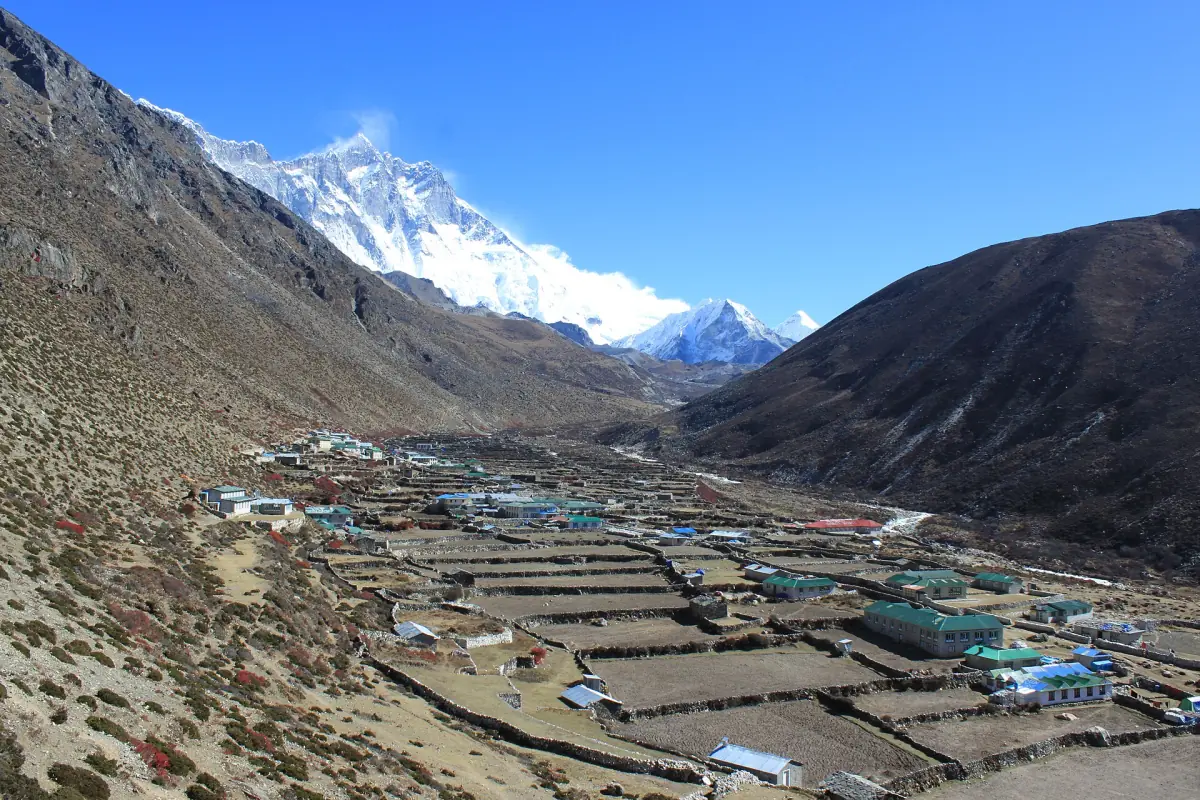
Everest Base Camp elevation
The southern Base Camp in Nepal is given as about 5,364 m (17,598 ft) by a trek operator. The US Centers for Disease Control rounds it to about 5,400 m (17,717 ft). Both fit together. The north side in Tibet lies lower, and its figures are on the Tibet page.
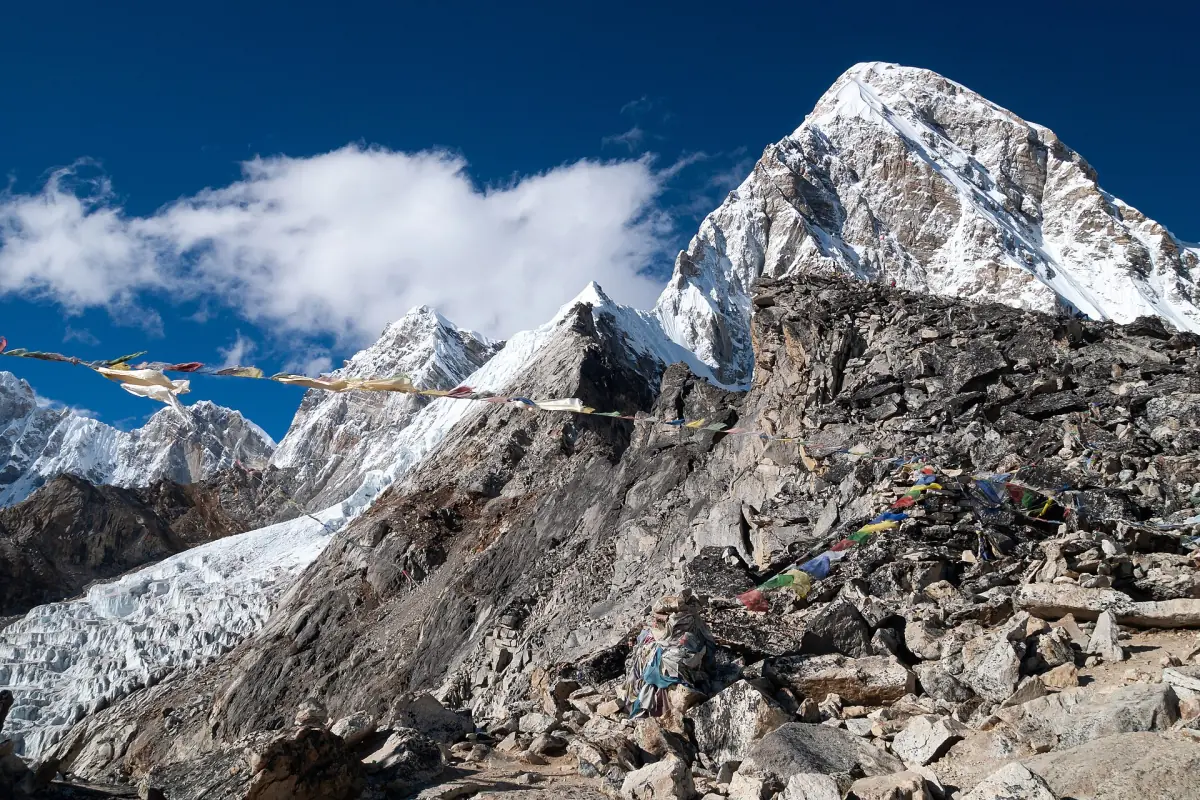
Kala Patthar, the viewpoint above Gorak Shep, is listed at 5,545 m (18,192 ft) in the Nepal Tourism Board's text and at 5,644 m (18,517 ft) by at least one operator. There is no single agreed measurement, so treat all such figures as approximate. The trek starts in Lukla at roughly 2,860 m (9,383 ft). Over about a week you climb more than 2,500 m, which is why the pace of the ascent matters more than your fitness.
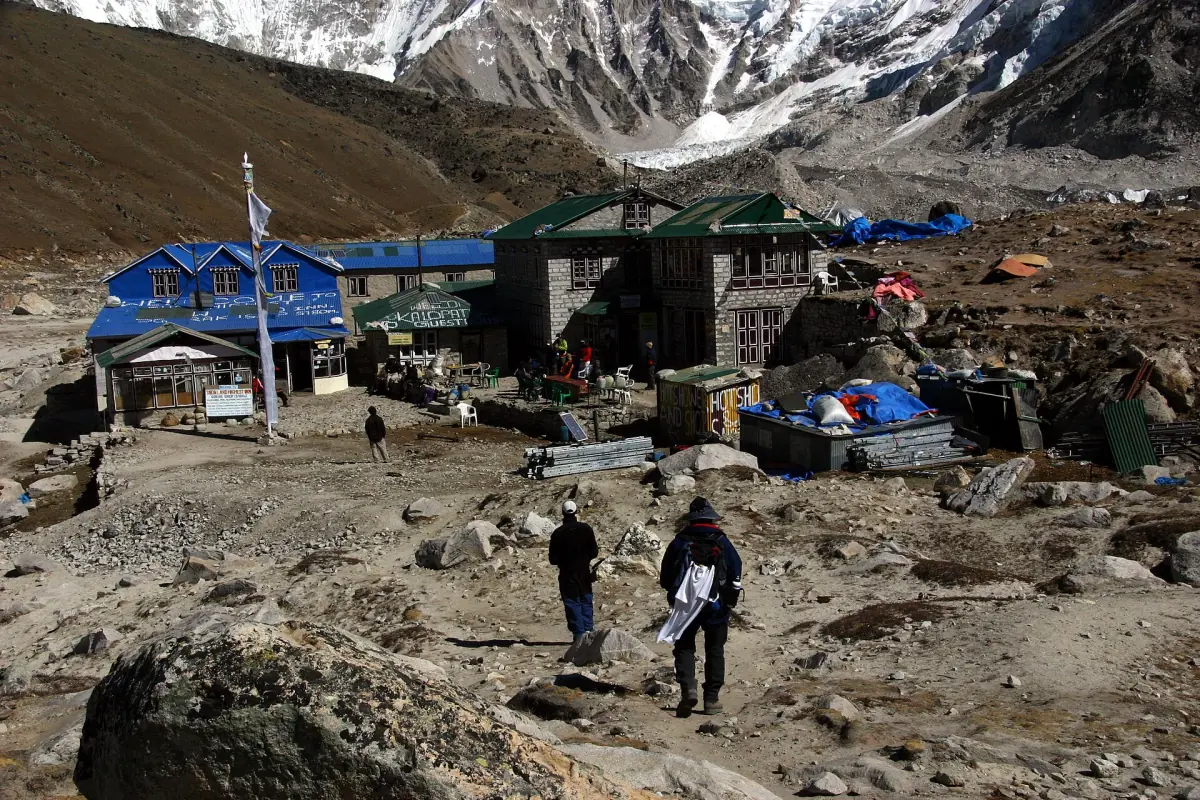
Heights along the trek
Operator and Tourism Board figures. Sources differ by a few metres.
| Place | Height | Note |
|---|---|---|
| Lukla | About 2,860 m (9,383 ft) | A weather station there is listed at 2,786 m |
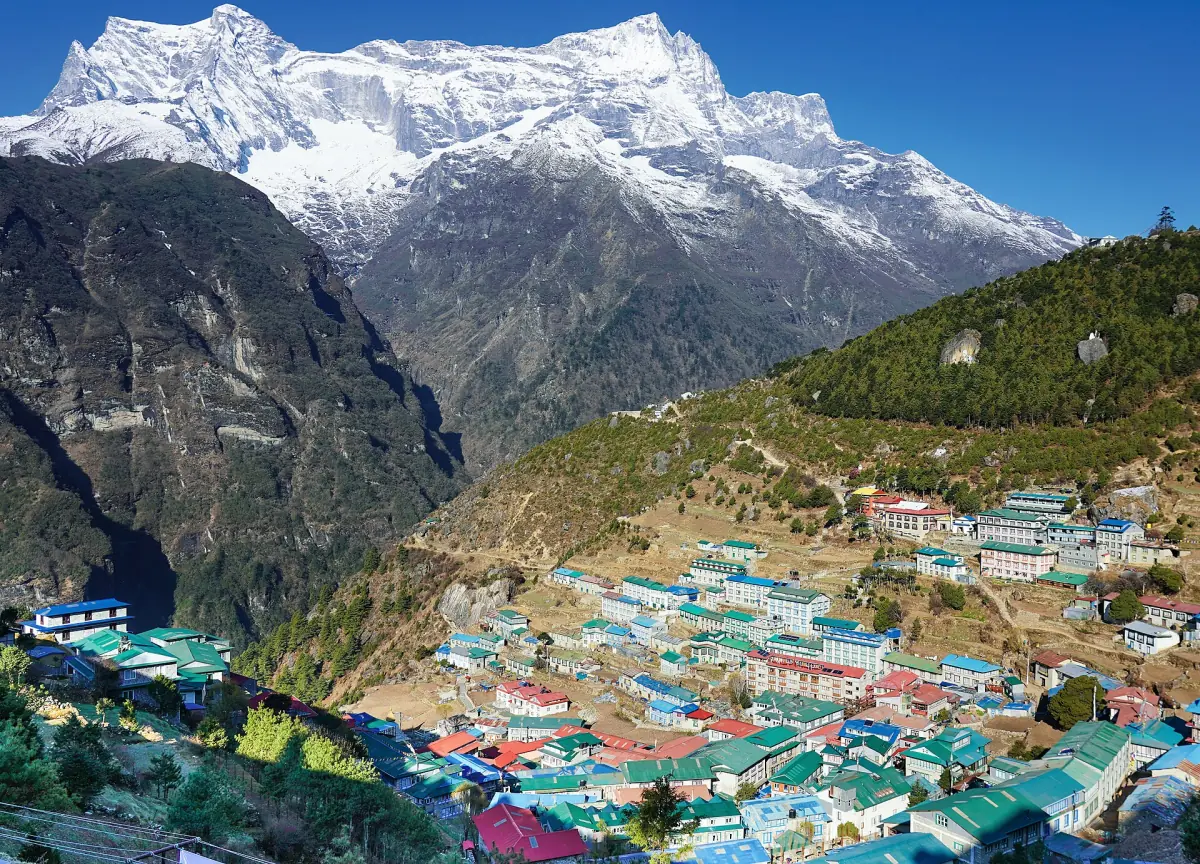
| Namche Bazaar | About 3,440 m (11,286 ft) | The Tourism Board rounds to 3,500 m |
| Tengboche | About 3,860 m (12,664 ft) | Monastery on the main route |
| Dingboche | About 4,410 m (14,469 ft) | Rest day stop in the example plan |
| Lobuche | 4,910 or 4,940 m | Two operators, two figures |
| Gorak Shep | About 5,140 m (16,864 ft) | Overnight stop before Base Camp |
| Everest Base Camp | About 5,364 m | Visited as a day walk from Gorak Shep |
| Kala Patthar | 5,545 or 5,644 m | Climbed at dawn from Gorak Shep |
Guided treks with an acclimatisation plan
Everest Base Camp treks with rest days built in, with live prices and availability.
How fast to go up
Two official recommendations that differ. Do not average them.
CDC and Wilderness Medical Society
Above 3,000 m (9,843 ft) of sleeping height, gain no more than about 500 m (1,640 ft) per night. For each further 1,000 m, add one extra night at the same height. The CDC cites this as a Wilderness Medical Society recommendation.
German Federal Foreign Office
Stricter: from 2,000 to 2,500 m upwards, gain no more than about 300 m (984 ft) of sleeping height per day, with an extra night for each 1,000 m. If you are unsure, follow the cautious figure.
What the standard plan looks like
Taking the heights above, sleeping height rises by roughly 420 m from Namche to Tengboche, about 550 m from Tengboche to Dingboche and about 500 m from Dingboche to Lobuche. Several of these steps are larger than the 300 m figure and one is a little above 500 m. This is why the rest days at Namche and Dingboche, and extra days if you feel unwell, are not optional extras.
Fitness does not protect you
Good fitness does not prevent altitude sickness, and children are just as vulnerable. A booked plan or a good pulse oximeter reading is not medical clearance. The CDC notes that altitude illness can occur even on standard Base Camp itineraries.
Warning signs and what to do
If you have symptoms, the plan comes second.
Early signs
Headache, loss of appetite, nausea, dizziness and unusual tiredness. Do not go higher while these persist. Rest at the same height, tell your guide and your group, and watch whether you improve.
Emergency signs
Confusion, an unsteady walk, breathlessness at rest, severe exhaustion or any worsening. Descend at once, accompanied, and get medical help. Do not send the person down alone.
Help on the trail
The Tourism Board lists an aid post run by the Himalayan Rescue Association at Pheriche, with talks on altitude sickness at 3 p.m. in spring and autumn. Do not count on it being staffed every day of the year. Carry insurance with helicopter evacuation, as the German Federal Foreign Office advises. Rescue depends on the weather, and an alarm can be delayed.
Medication and your doctor
This page gives no medicine doses. Speak to a doctor before the trip about altitude, your health and any medication. Any drug use belongs in a plan agreed with your doctor in advance.
Flying up is not a shortcut
The German Federal Foreign Office advises avoiding fast motorised ascents above 3,500 m (11,483 ft) where possible. A short helicopter landing at height is no proof that it is safe for your body. If you fly in and out the same day, stay alert for headache, nausea and dizziness, and descend if they appear. Landings at Base Camp or Kala Patthar are not guaranteed. See the helicopter tour guide.
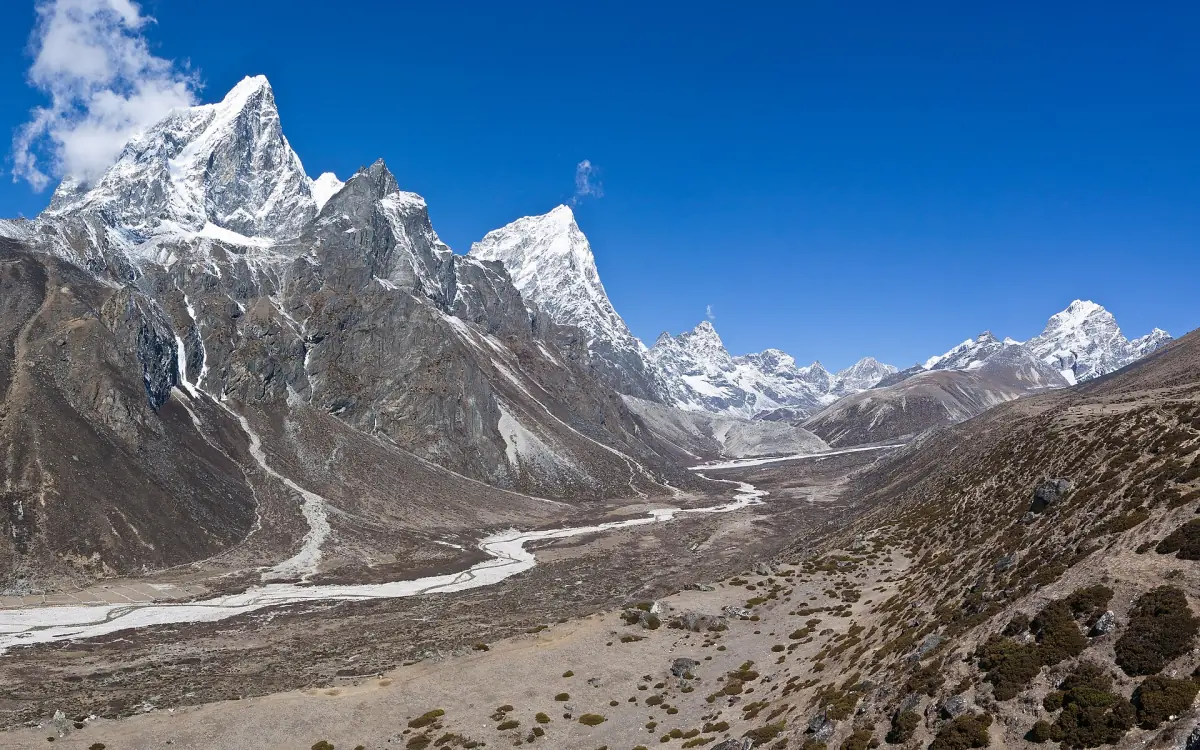
Plan the rest of your trip
Where altitude shapes the other decisions.
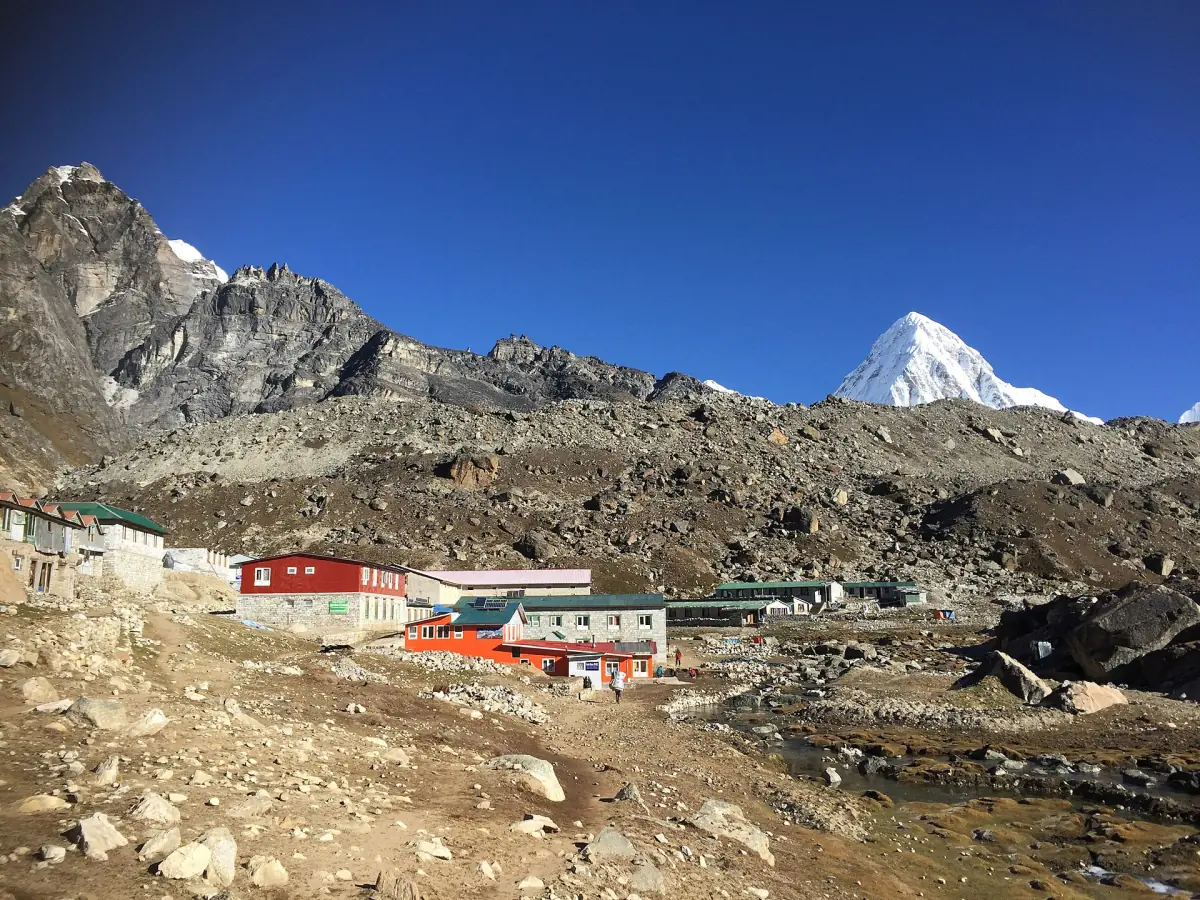
Everest Base Camp altitude: frequently asked questions
How high is Everest Base Camp?
The southern Base Camp in Nepal is about 5,364 m (17,598 ft) by an operator's figure, and the CDC rounds it to about 5,400 m. The tourist site on the Tibet side is listed lower.
Can I get altitude sickness if I am fit?
Yes. Fitness does not protect against it, and the risk applies to children too. What helps is a slow ascent, rest days and stopping when symptoms start.
What should I do if I get a headache at altitude?
Do not go higher while it lasts. Rest, tell your guide, and descend if it gets worse or if you notice confusion, an unsteady walk or breathlessness at rest.
Which medicines help with altitude?
That is a question for your doctor before you travel. This site gives no doses and no drug advice.
Is Kala Patthar 5,545 or 5,644 m?
Both figures are in use. The Tourism Board text says 5,545 m, and one operator gives 5,644 m. The difference is not resolved, so plan for roughly 5,500 to 5,650 m.