The trek at a glance
The Everest Base Camp trek is a walk through the Khumbu region of Nepal. Almost everyone starts at Lukla (about 2,860 m, or 9,383 ft), follows the valley up through Namche Bazaar, Tengboche, Dingboche and Lobuche, and reaches Gorak Shep before the final walk to the southern base camp. The camp sits at about 5,364 m (17,598 ft) according to one trek operator. The CDC rounds it to roughly 5,400 m.
Operators plan 12 to 14 days from Lukla and back, including rest days for acclimatisation, and more if you add buffer days. Packages are often longer on paper: one adventure company sells 15 days in total, of which 12 days (11 nights) are on the trail. Arrival, transfer and departure days are not walking days. The trek needs no technical climbing, but it is strenuous. This is an independent guide, not run by any park, agency or airline.
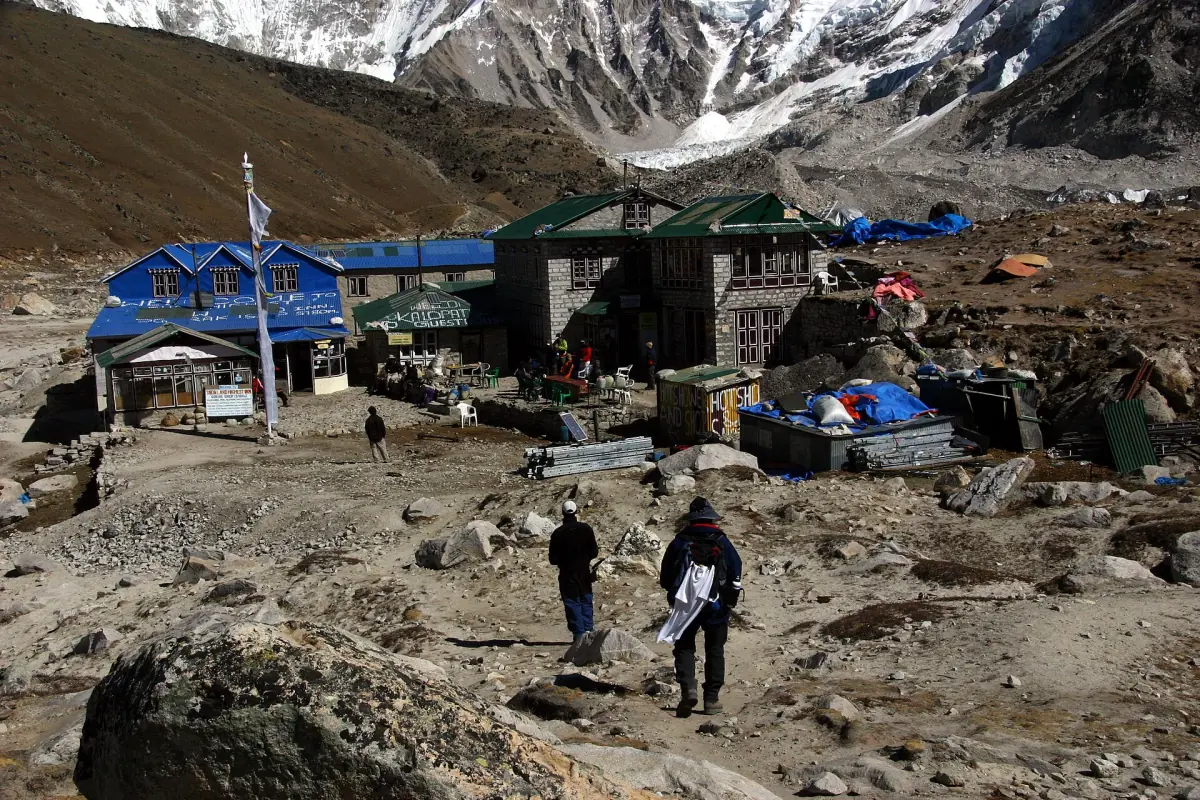
Stages of the trek, day by day
A sample 12-day plan from one operator, with the sleeping altitudes operators give. Walking times are plan values, not promises.
| Day | Stage | Walking time | Sleeping altitude |
|---|---|---|---|
| 1 | Fly to Lukla, walk to Phakding | 3–4 hours | – |
| 2 | Phakding to Namche Bazaar | about 6 hours | about 3,440 m |
| 3 | Rest day in Namche, day hike, back to the same bed | – | about 3,440 m |
| 4 | Namche to Tengboche | about 5 hours | about 3,860 m |
| 5 | Tengboche to Dingboche | 5–6 hours | about 4,410 m |
| 6 | Rest day in Dingboche, back to the same bed | – | about 4,410 m |
| 7 | Dingboche to Lobuche | about 5 hours | 4,910–4,940 m |
| 8 | Lobuche to Gorak Shep, to base camp and back to Gorak Shep | 7–8 hours | about 5,140 m |
| 9 | Kala Patthar, then down to Pheriche | about 7 hours | – |
| 10 | Pheriche to Namche | 6–7 hours | – |
| 11 | Namche to Lukla | about 7 hours | – |
| 12 | Flight back; further days are weather and travel buffer | – | – |
Routes differ. One adventure company goes via Phortse and, from December to February, via Tengboche instead, with slightly different walking times. For the longer version of each stage, see the day-by-day itinerary. Lobuche and the other altitudes vary by a few dozen metres between sources, so treat them as approximate.
Our picks: Base Camp treks
Multi-day packages that differ in meals, flights and porters.
Hand-picked tours, booked through GetYourGuide. Prices are indicative starting prices in US dollars (as of October 2026). Tap a tour for live availability and the current price in your currency.
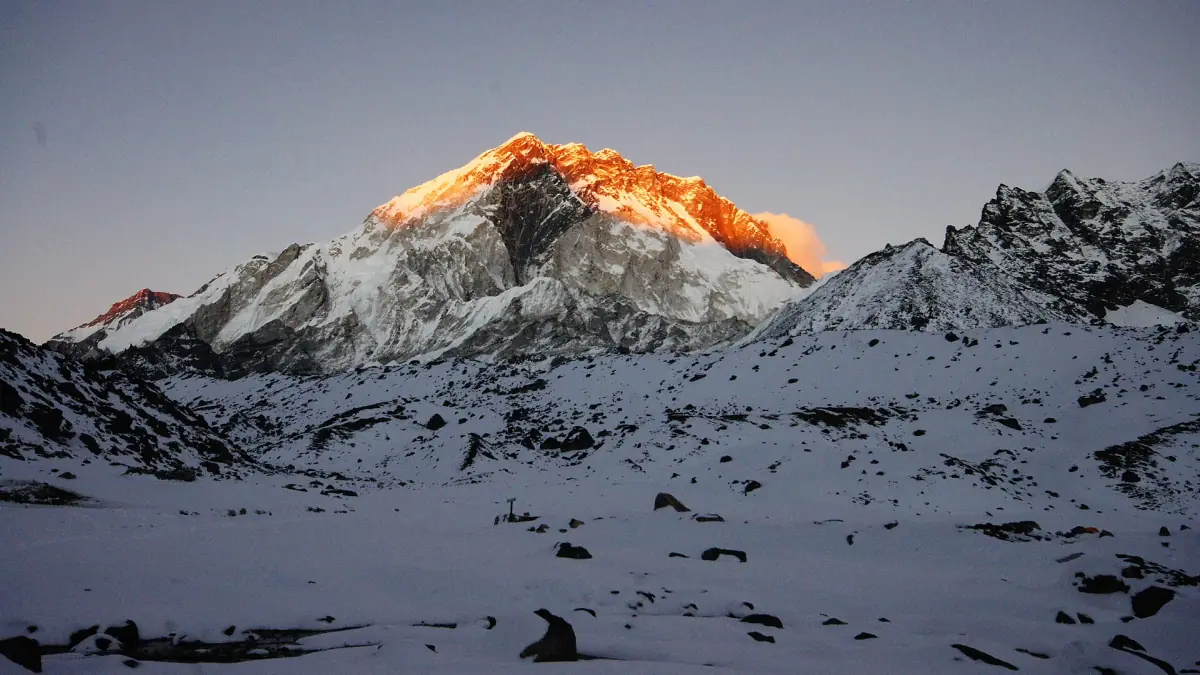
12-day guided Everest Base Camp trek
The return flight Kathmandu–Lukla, lodges, a guide, the required permits and TIMS are included. Meals and porters are not.
Check availability →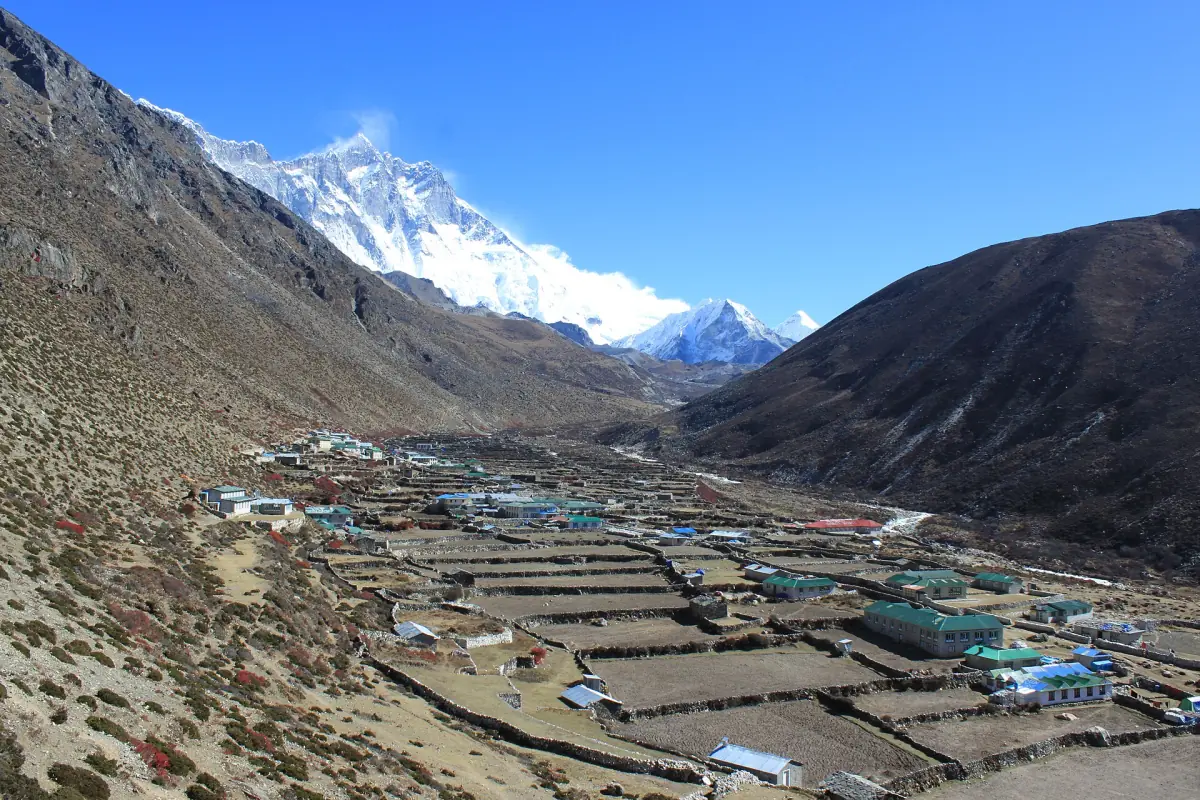
14-day Everest Base Camp trek with meals
Three meals a day on the trek, tea-house lodging, a licensed English-speaking guide, permits and the return flight to Lukla. International flights, insurance and drinks are not included.
Check availability →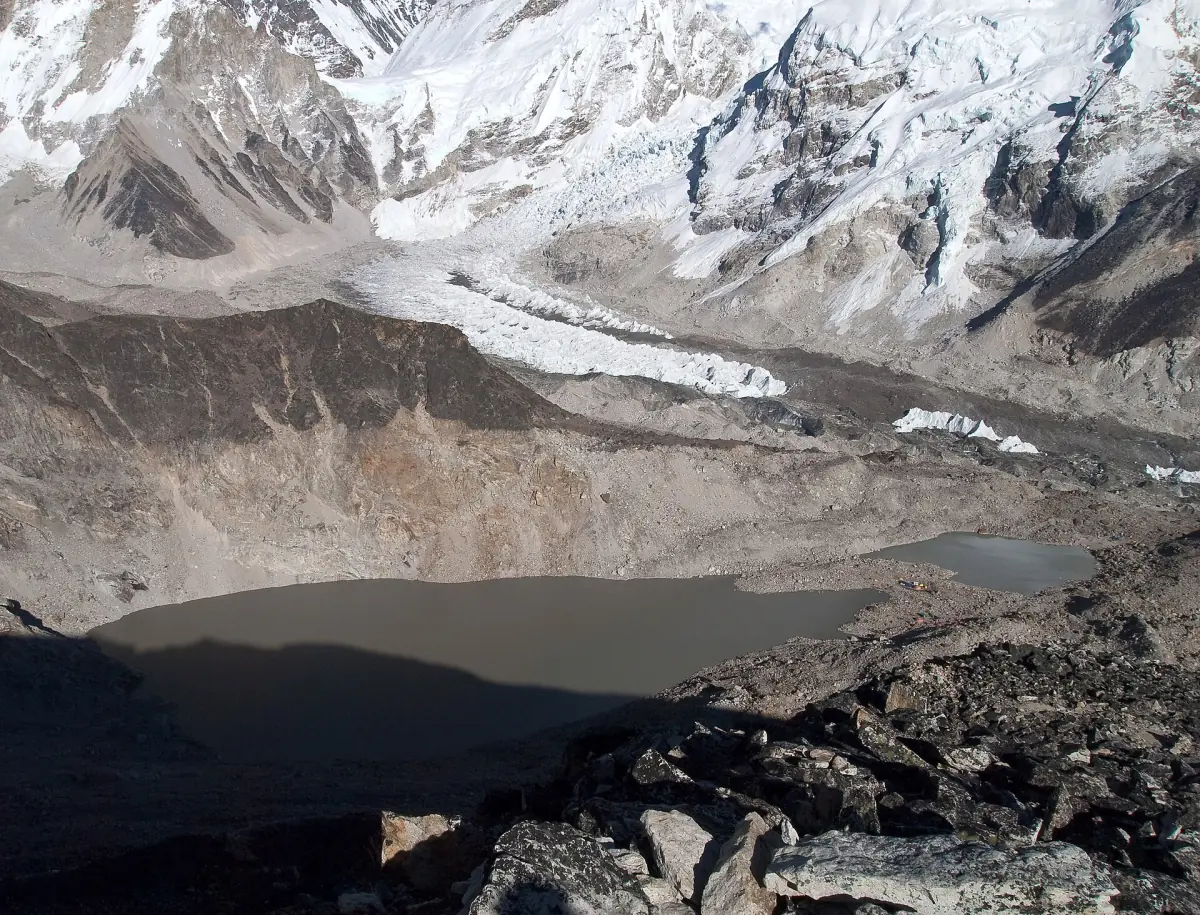
10-day Everest Base Camp trek from Lukla
A Sherpa guide, permits and ten nights in mountain guesthouses. Flights are included only in the Kathmandu option, and meals and porters cost extra.
Check availability →Everest Base Camp tours and treks
Guided treks, private departures and flight packages for the Khumbu region, with live prices and availability.
How hard is the Everest Base Camp trek?
Operators rate the standard route as strenuous but without technical climbing. That says nothing about your personal fitness, and it does not make the trail safe in snow. Days are long, the air is thin and the weather changes quickly.
Fitness helps you walk, but it does not protect you from altitude illness. The CDC points out that fit people get it too, and so do children. The main factor is how fast you climb. A plan with rest days, a guide who watches the group and the freedom to turn back matter more than a quick pace.
Altitude rules to plan around
The CDC Yellow Book cites the Wilderness Medical Society advice: above 3,000 m, raise your sleeping altitude by no more than about 500 m per night, and add one extra night of acclimatisation for every further 1,000 m. Germany's Federal Foreign Office is stricter and suggests about 300 m of sleeping height gain per day from 2,000 to 2,500 m upwards. A published tour plan is not an individual clearance, and a good reading on a pulse oximeter is not either. Talk to a doctor before the trip, especially if you have a heart, lung or other chronic condition. Our altitude page has the profile and the warning signs in detail.
- Early warning signs: headache, loss of appetite, nausea, dizziness, unusual tiredness. If you have them, do not climb higher.
- Emergency signs: confusion, trouble walking straight, shortness of breath at rest, severe exhaustion or getting worse. Descend with company and get medical help at once.
- The schedule gives way to your health. If symptoms do not settle, stop going up. If they get worse, go down.
What to arrange before you go
Permits. The Nepal Tourism Board lists the Everest Base Camp route under its licensed-guide and TIMS rule. How strictly this is checked in the Khumbu has been disputed, so do not count on being waved through alone. You also pay the Sagarmatha National Park fee and the local Khumbu fee. Details and amounts are on the permits page.
Flights. Most trekkers fly to Lukla. In the main seasons the flights often leave from Manthali airport in Ramechhap, with a road transfer first. Delays and cancellations are common enough that you should keep spare days at the end. See the Lukla page.
Insurance. The German Federal Foreign Office recommends health and repatriation insurance that covers mountain risk and helicopter evacuation. Check that the cover applies at your planned altitude and for trekking, and ask who pays for a rescue.
Where you sleep. Ordinary trekkers are not meant to stay overnight at the southern base camp. The Department of Tourism warned on 29 April 2026 about packages selling an overnight stay there. The usual plan is to sleep in Gorak Shep and walk to the camp and back.
Season and current conditions
Operators recommend March to May and October to November for the standard route.
These are tourist recommendations, not guarantees of clear weather. On 26 September 2026 the Kathmandu Post reported snow at higher points in the Khumbu, including Gokyo, Gorak Shep and Dingboche, and disruption to scheduled flights to Lukla. The same report said trekking in the Khumbu had not been stopped altogether. Damage to roads towards eastern Nepal was reported as well. Check the current conditions with your agency or lodge before you fly, and read the weather and best time page for the month-by-month picture.
Plan your trek
The pages that go with this one.
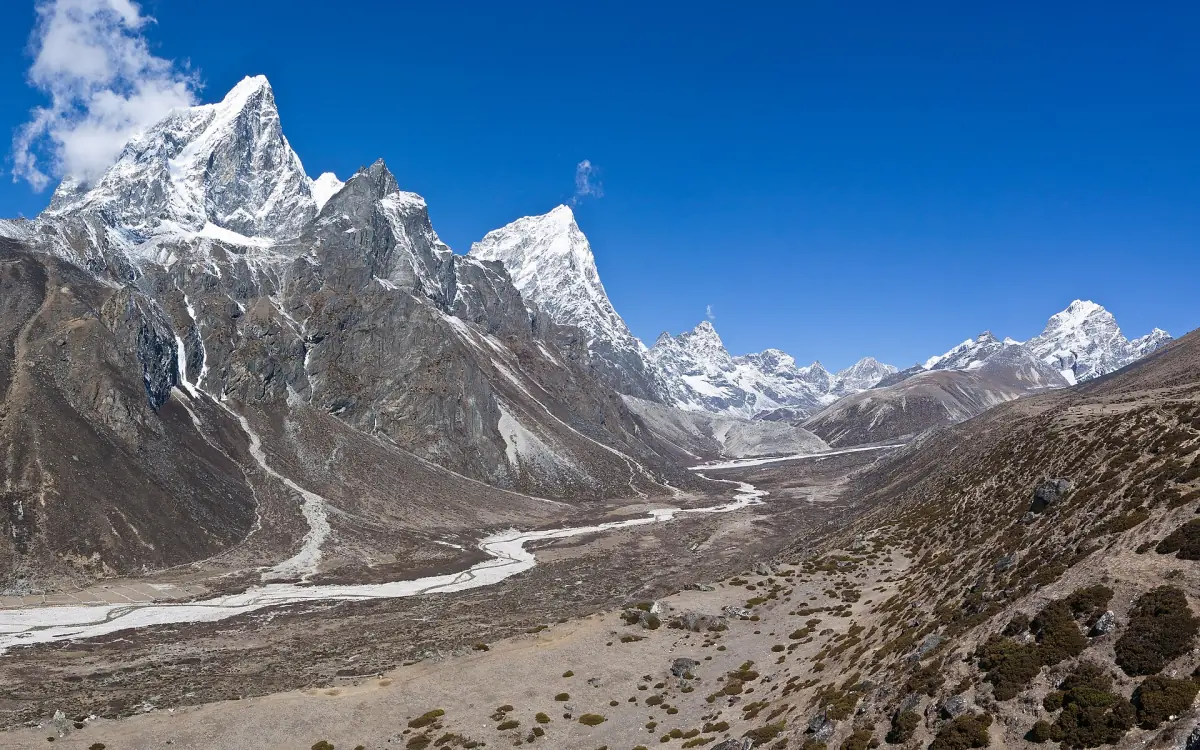
Day-by-day itinerary
The stages from Lukla to Gorak Shep in more detail.
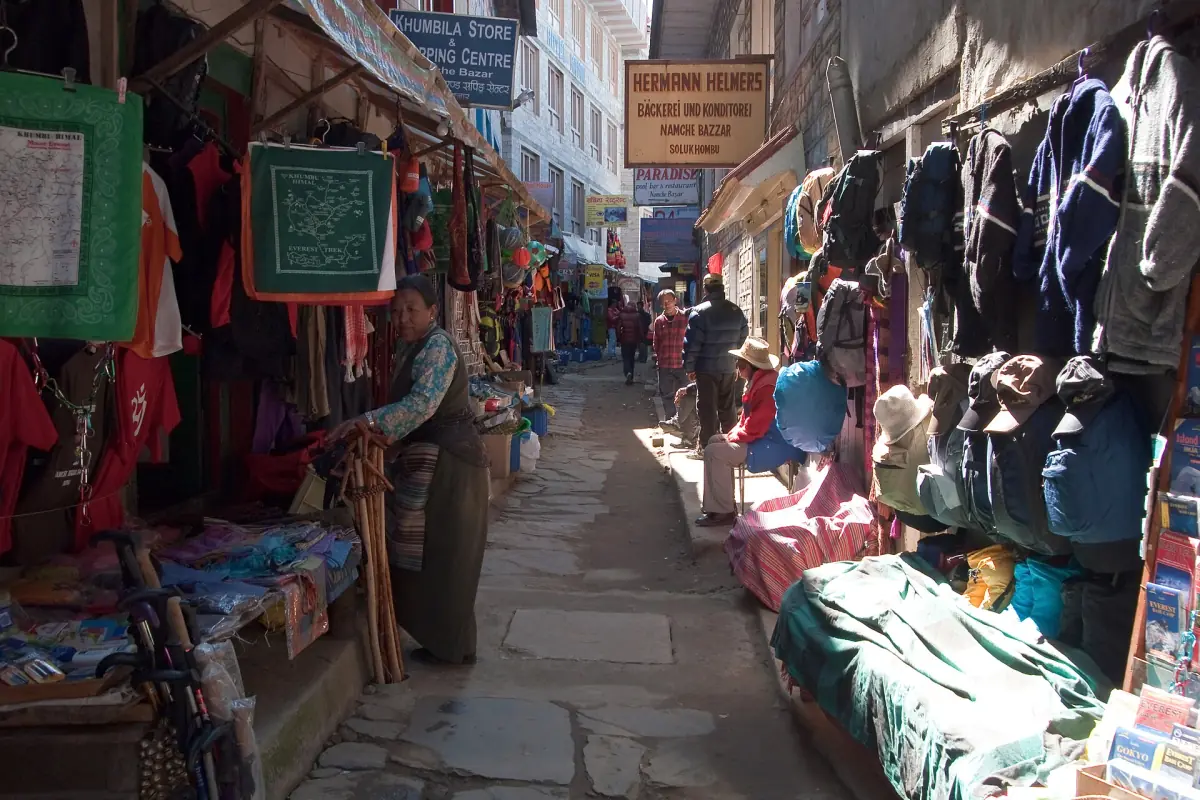
What the trek costs
Permits, guide, lodges, food and flights, with 2026 figures.
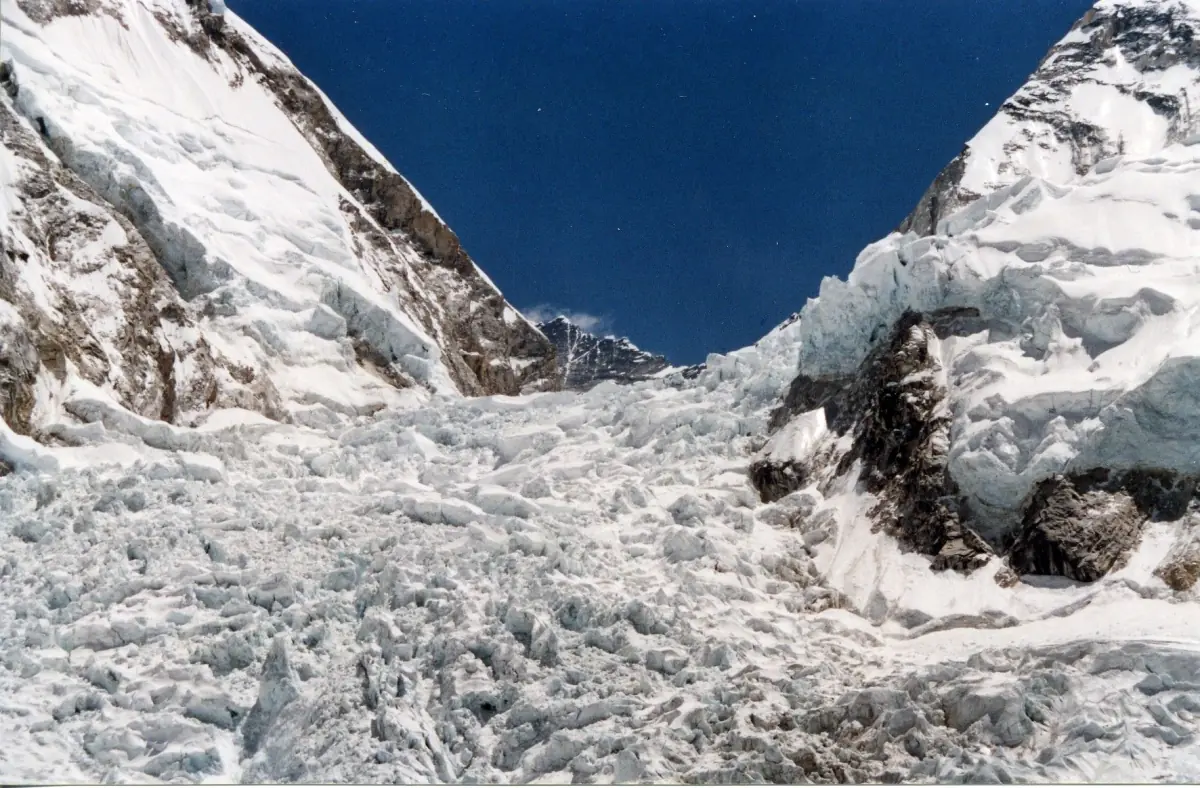
Altitude and altitude sickness
Sleeping heights, the CDC rule and the warning signs.
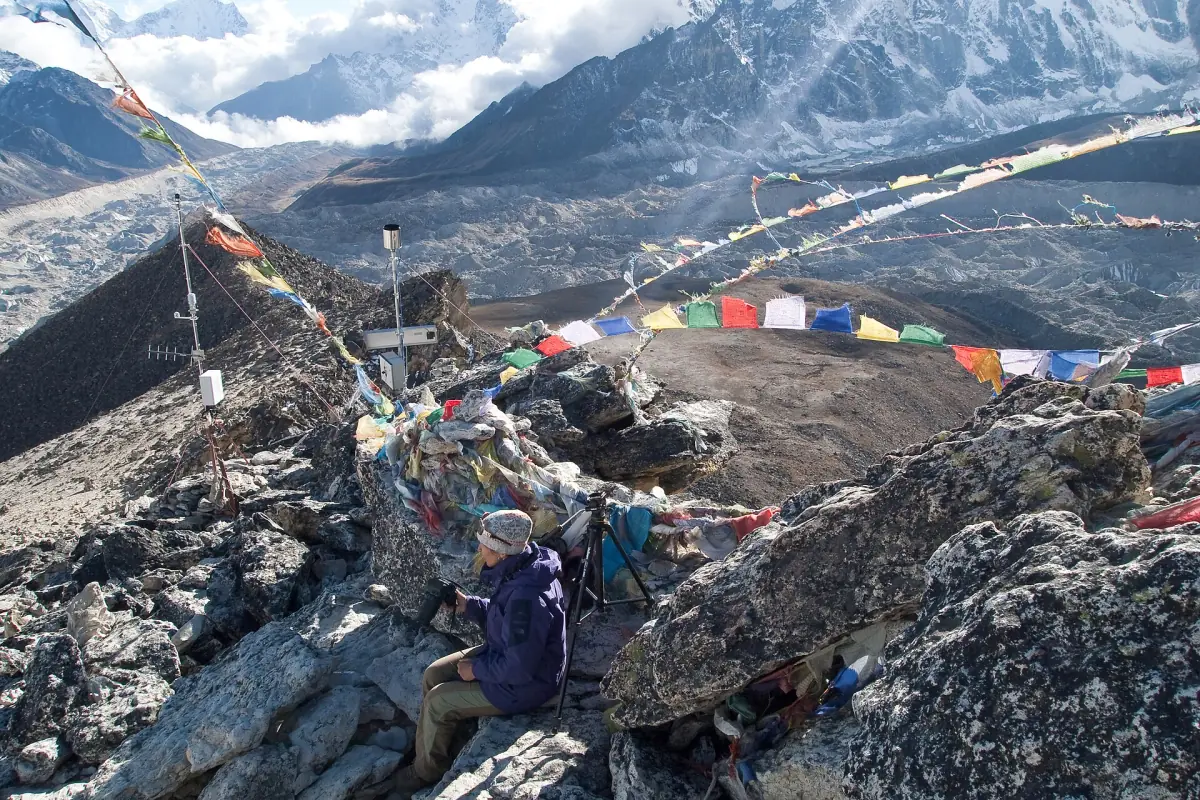
Kala Patthar
The viewpoint above Gorak Shep and why its height is quoted two ways.
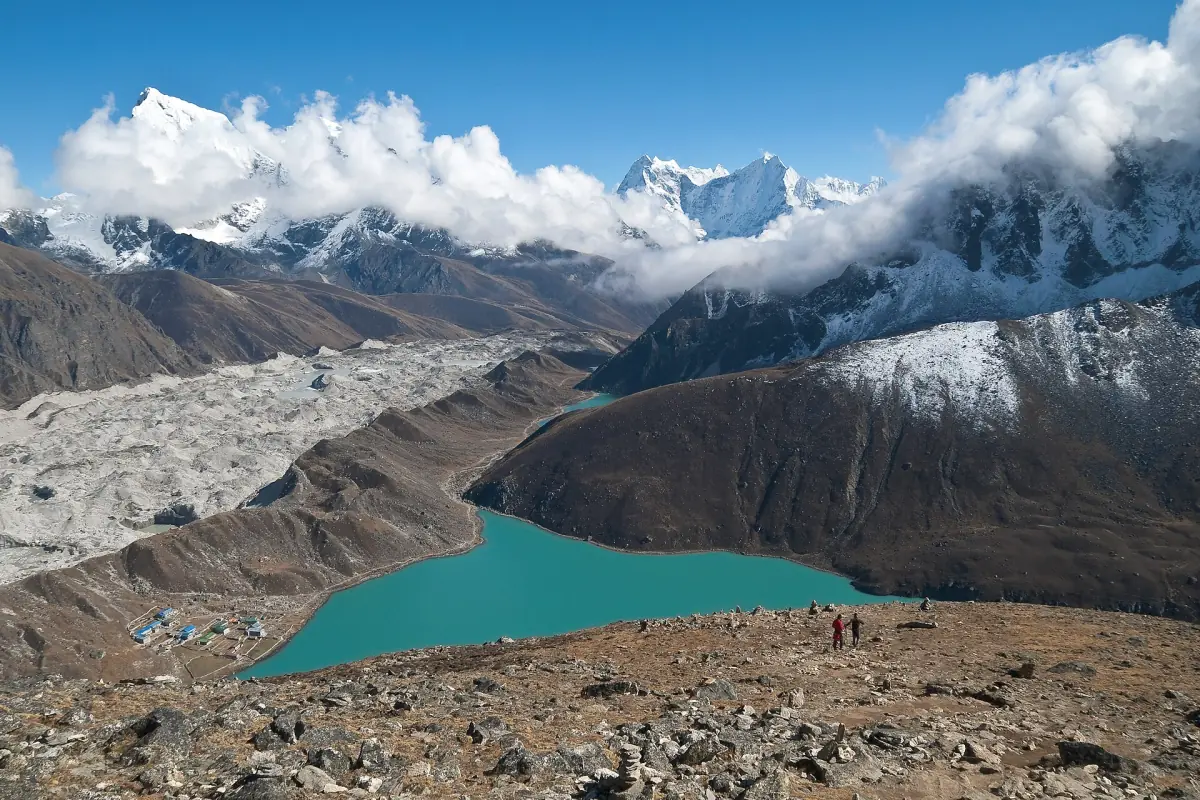
Gokyo Lakes
A different valley with a viewpoint at Gokyo Ri.
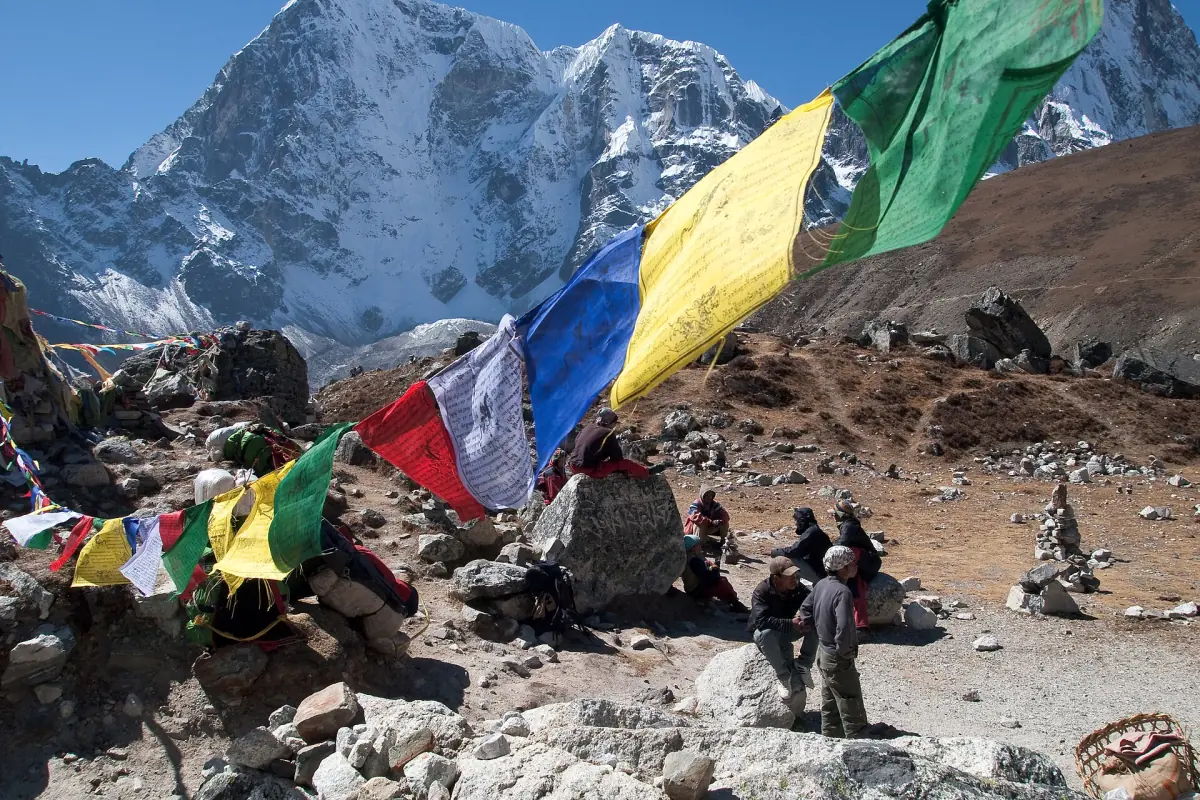
Packing list
Layers, sun protection and what to leave at home.
Everest Base Camp trek: frequently asked questions
How many days does the Everest Base Camp trek take?
One operator plans 12 to 14 days from Lukla and back, including rest days. Packages that include Kathmandu are longer; one example is 15 days in total with 12 days on the trail. These are planning ranges, not minimums or promises of success.
Do I need to be an experienced climber?
No. The standard route needs no technical climbing. It is still a strenuous multi-day walk at high altitude, and good fitness does not prevent altitude illness. Ask a doctor whether the trip suits you.
Can I sleep at Everest Base Camp?
Not as an ordinary trekker. The Department of Tourism warned in April 2026 about overnight packages for the southern base camp. Most people sleep in Gorak Shep and walk to the camp for the day.
Do I need a guide?
The Nepal Tourism Board lists the Everest Base Camp trek under its guide and TIMS rule. Enforcement in the Khumbu has been described differently by different sources, so check the current position with an agency before you decide. See the permits page.
What should I do if I get a headache or feel sick on the way up?
Do not go higher. Rest, tell your guide or group and watch whether the symptoms settle. If you become confused, unsteady or breathless at rest, or you get worse, go down with company and get medical help. Speak to a doctor about altitude before you travel.
Is the trek possible by helicopter instead?
Helicopter tours exist, but a landing at base camp or Kala Patthar cannot be assumed, and a fast ride up skips the acclimatisation your body needs. Read the helicopter tour page first.