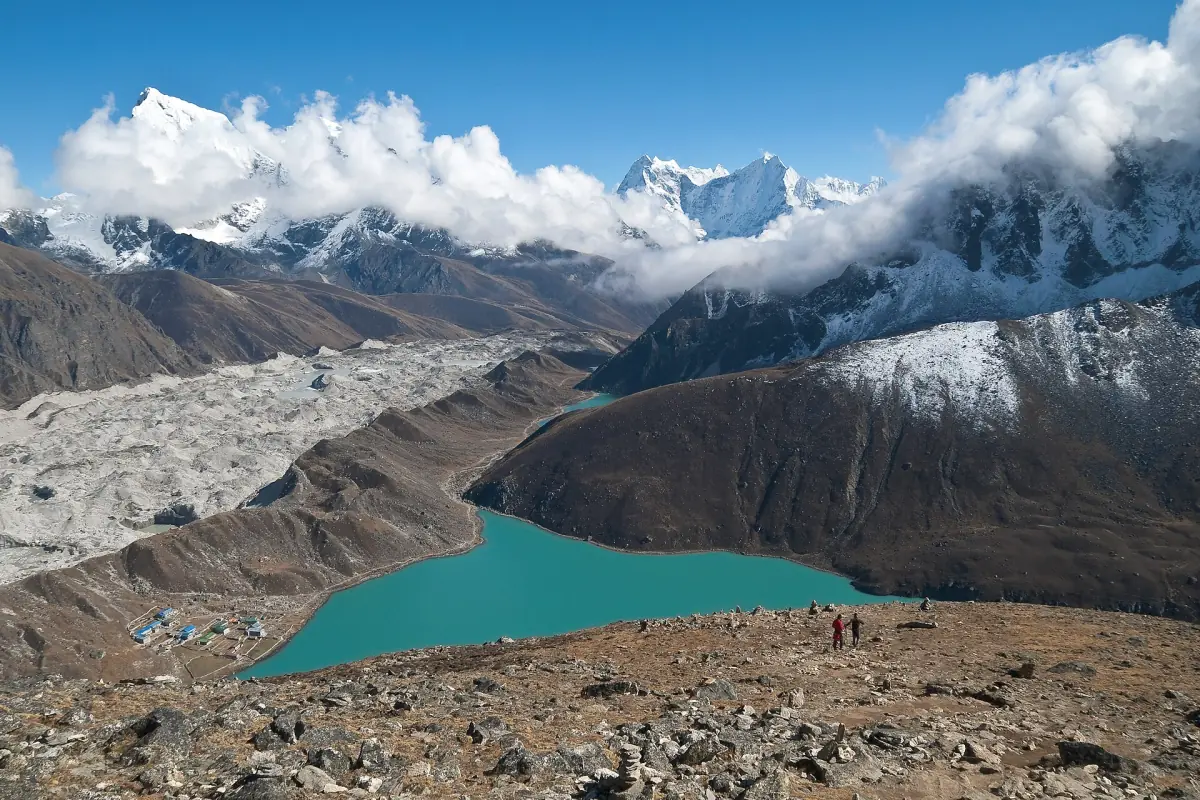
The Gokyo Lakes at a glance
The Gokyo Lakes are a chain of high lakes in the Khumbu region, beside the Ngozumpa glacier. The Nepal Tourism Board counts six main lakes and notes that they are sacred to Hindus and Buddhists. The park also names Gokyo and its associated wetlands as a Ramsar site. Not every source counts the same lakes, so the number you read can differ.
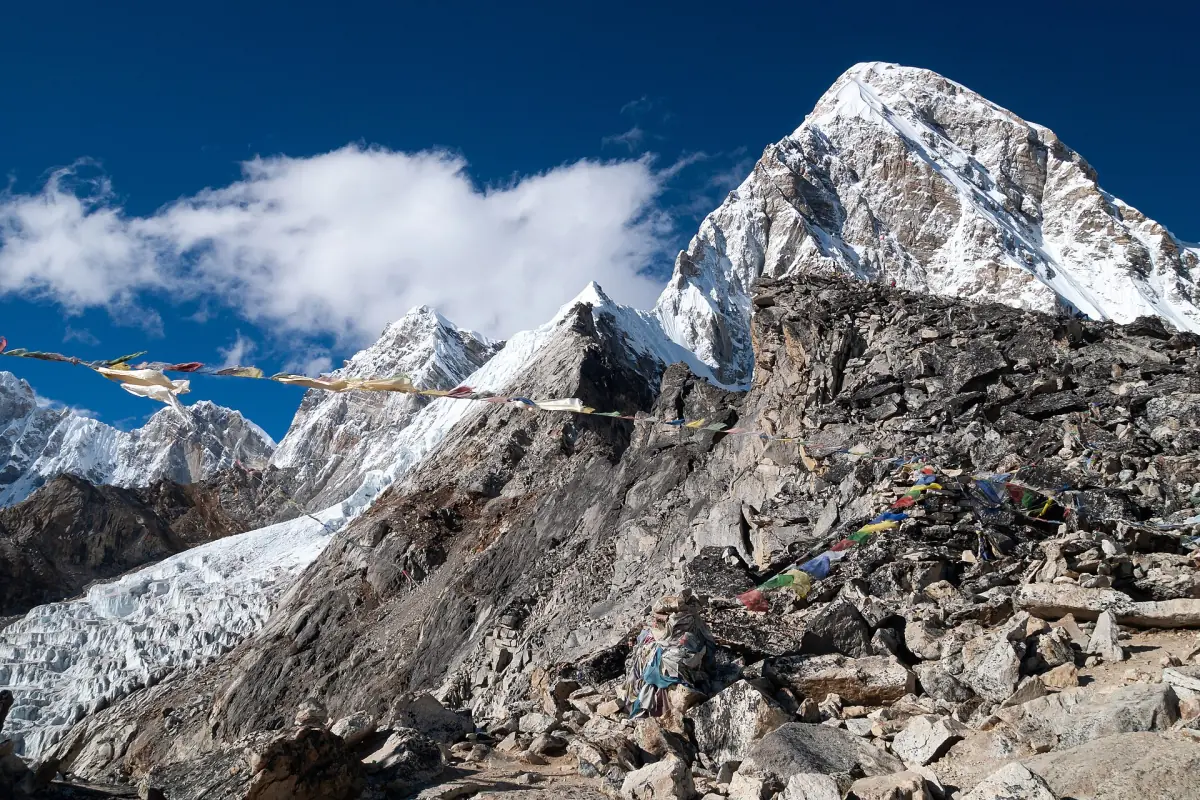
The trek is the best-known alternative to the Everest Base Camp trek. Its viewpoint is Gokyo Ri, listed by the board at 5,357 m (17,575 ft), with views of Everest, Lhotse, Makalu and Cho Oyu and of the lakes below. One adventure company gives 5,457 m for the same peak, which is a 100 m difference that we cannot resolve. This is an independent guide and not run by the park or any agency.
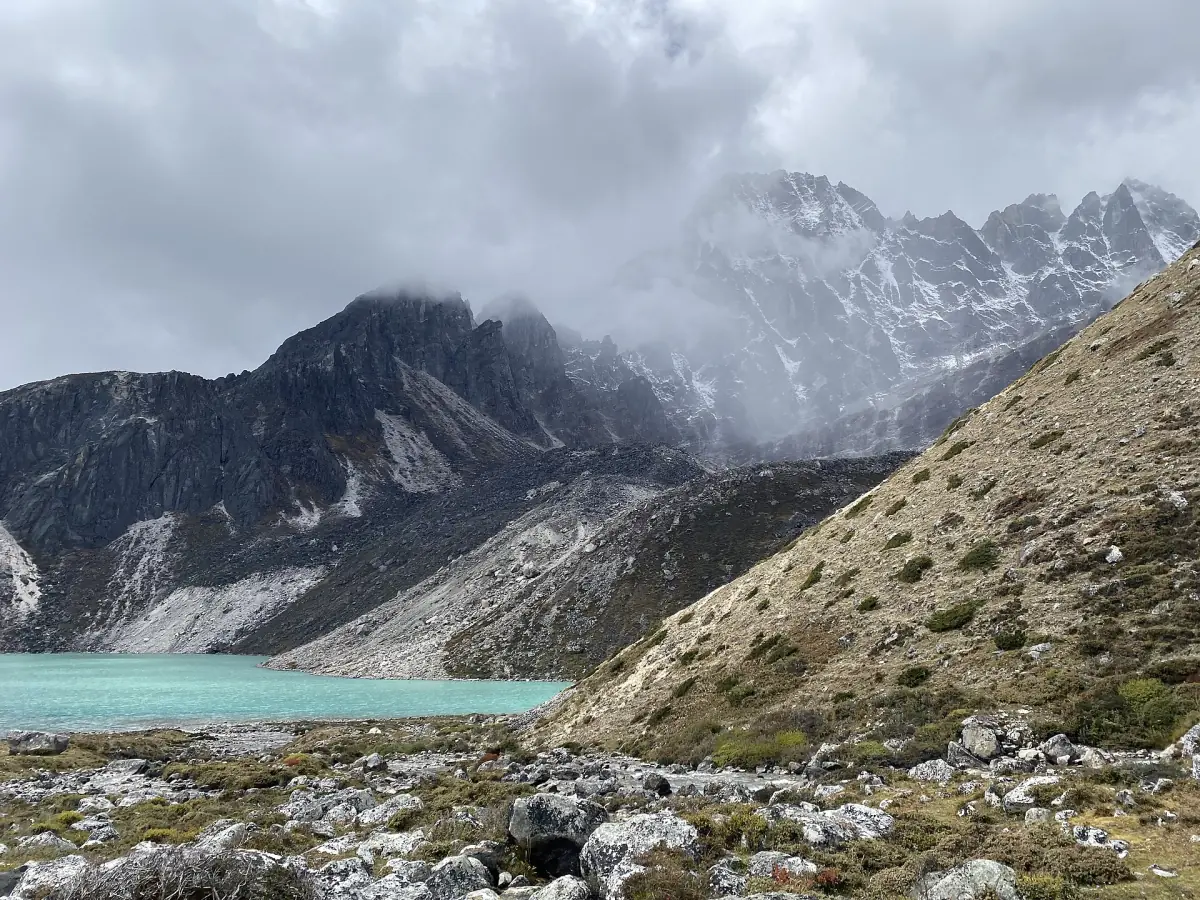
Gokyo, Everest Base Camp and the Three Passes compared
Figures come from tourism board pages and from operator offers, so durations are examples, not rules.
| Everest Base Camp | Gokyo Lakes | Three Passes | |
|---|---|---|---|
| Example length | 12–14 days from Lukla and back | 12 days (one operator) | 18 days including Kathmandu days (one operator) |
| High point | Kala Patthar, 5,545 m (official) or 5,644 m (operators) | Gokyo Ri, 5,357 m | Kongma La 5,535 m, Cho La 5,420 m, Renjo La 5,388 m |
| Main view | Everest from Kala Patthar | Everest, Lhotse, Makalu, Cho Oyu and the lakes | High passes with snow, ice, rock and glacier sections |
| Character | Strenuous, no technical climbing | Walking days of 5–6 hours in the operator's plan | Days up to about 9 hours |
| Guide and TIMS rule listed by the board | Yes | Yes | Yes |
The pass heights come from a single operator and are not a complete official survey. Whether a pass is open depends on snow and ice that season, so treat these routes as a serious step up from the classic trek. For the classic route, see the trek page.
Gokyo and Everest region treks
Guided treks in the Khumbu region, including routes to the lakes and the high passes, with live prices and availability.
What to expect on the Gokyo trek
Treks to the lakes usually begin like the classic route, with the flight to Lukla, the walk to Namche Bazaar and a rest day to adjust to the height. After that the route turns towards Gokyo, and the nights climb towards the lakes. Because the sleeping altitude rises each day, the same rules apply as on the classic route.
One operator offers a 12-day Gokyo trek with typical walking days of 5 to 6 hours. There is no official minimum length. Gokyo Ri is the main viewpoint, and the climb takes you above 5,000 m. Cloud can hide the mountains, and no viewpoint can promise a clear sky.
Altitude and health
The CDC Yellow Book cites the Wilderness Medical Society advice: above 3,000 m, raise your sleeping altitude by no more than about 500 m per night and add a rest night for each further 1,000 m. Germany's Federal Foreign Office suggests a lower figure of about 300 m from 2,000 to 2,500 m upwards. Warning signs are headache, nausea, loss of appetite, dizziness and unusual tiredness. If you have them, do not go higher. Confusion, an unsteady walk, breathlessness at rest or getting worse mean you must descend with company and get medical help. Talk to a doctor before you go, and see the altitude page.
Respect at the lakes
The lakes have religious meaning, and Gokyo belongs to a protected wetland. Do not assume that swimming or skating is allowed. Ask your guide or lodge what is acceptable, take your rubbish with you and use clean drinking water as the tourism board advises.
Permits, season and conditions
The board lists Gokyo and the Three Passes under the same guide and TIMS rule as the Everest Base Camp trek. How strictly it is applied in the Khumbu has been described differently by different sources, so ask an agency for the current position before you rely on going alone. You also pay the park fee and the local Khumbu fee; the amounts are on the permits page.
On 26 September 2026 the Kathmandu Post reported snow at higher points in the Khumbu, including Gokyo, and disruption to flights to Lukla. Trekking in the region had not been stopped altogether. Spring and autumn are the seasons that operators recommend. For months, rainfall and temperatures at Lukla, see the best time page.
Build in rest days and spare days for the Lukla flights, because each extra day at altitude and each delay changes your plan. The Lukla page explains the delays.
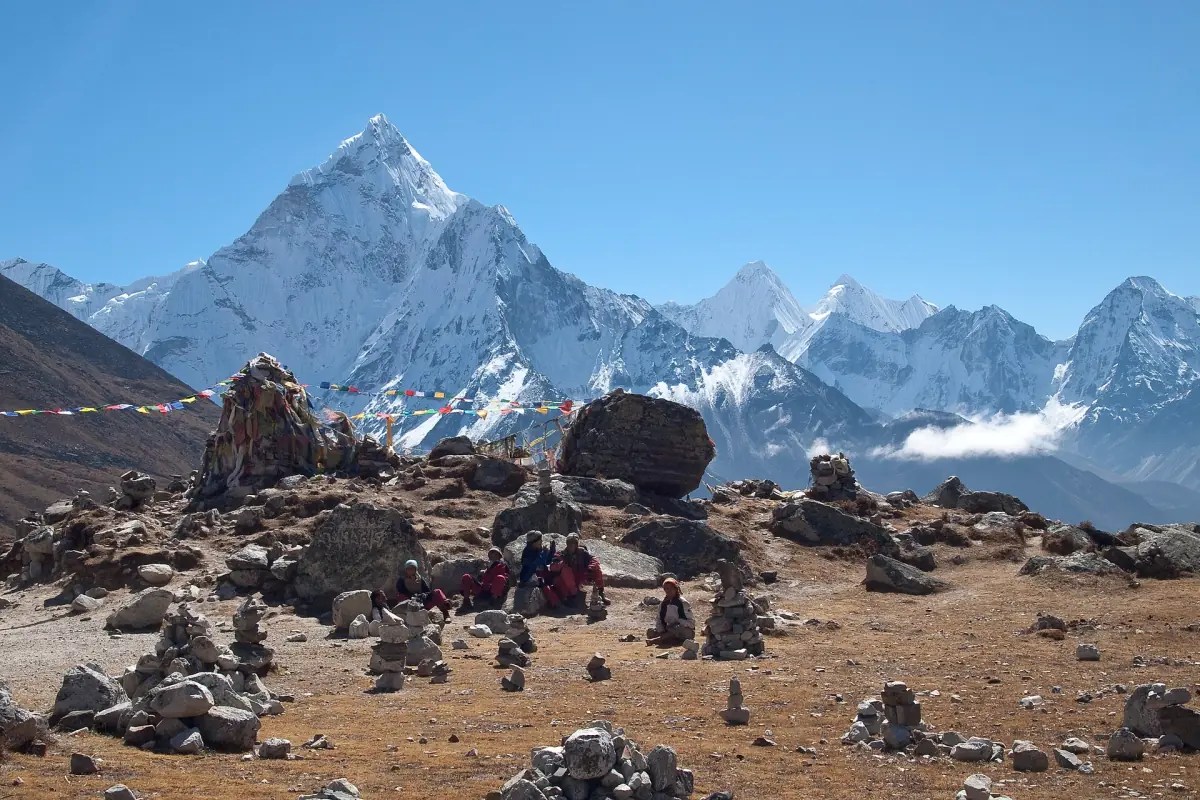
More Everest region pages
Choose the route that fits your time and fitness.
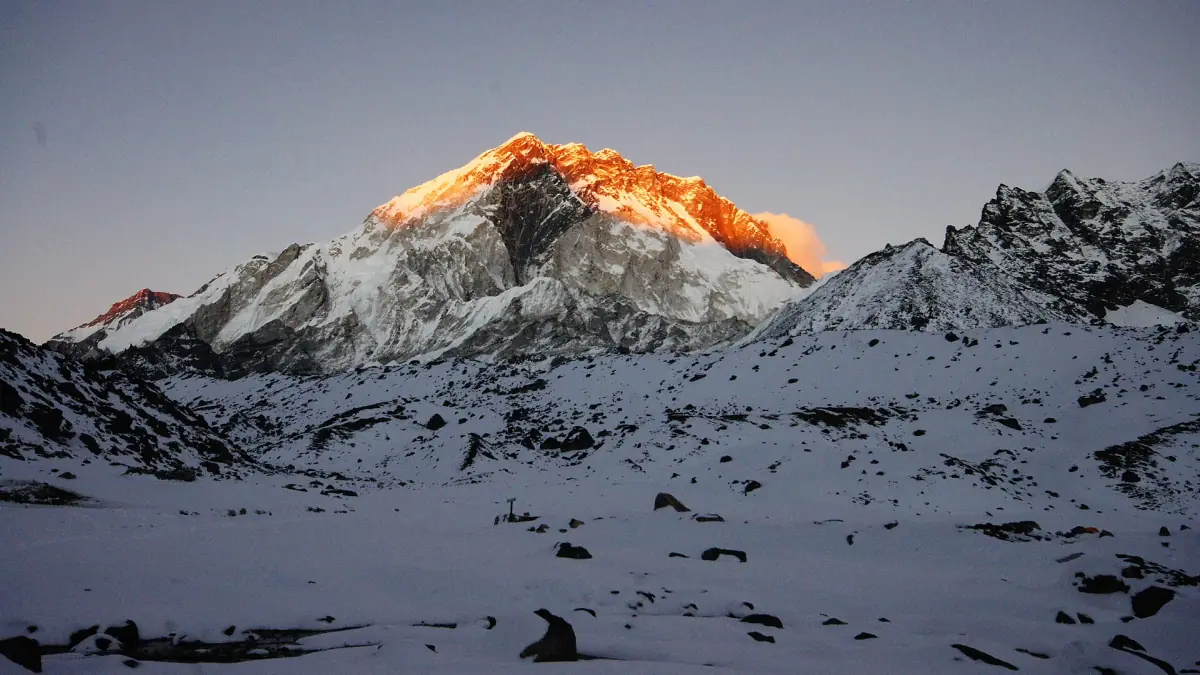
Gokyo Lakes trek: frequently asked questions
How high is Gokyo Ri?
The Nepal Tourism Board gives 5,357 m. One operator gives 5,457 m for the same peak. There is no single agreed figure, so use either with care.
How many Gokyo Lakes are there?
The board counts six main lakes. Other sources define the lakes and the wetlands differently, so the number varies.
Is the Gokyo trek easier than Everest Base Camp?
Not necessarily. It is a different valley with its own long days and a high viewpoint above 5,000 m. Altitude illness can occur on either route, and fitness does not protect you from it.
How long does the Gokyo Lakes trek take?
One operator offers 12 days with typical walking days of 5 to 6 hours. The Three Passes trek is longer; one operator lists 18 days including days in Kathmandu.
Do I need a guide for Gokyo and the Three Passes?
The Nepal Tourism Board lists both routes under its guide and TIMS rule. Enforcement in the Khumbu is described in different ways, so confirm the current position with an agency. The Three Passes also include snow, ice and glacier sections that call for experience.