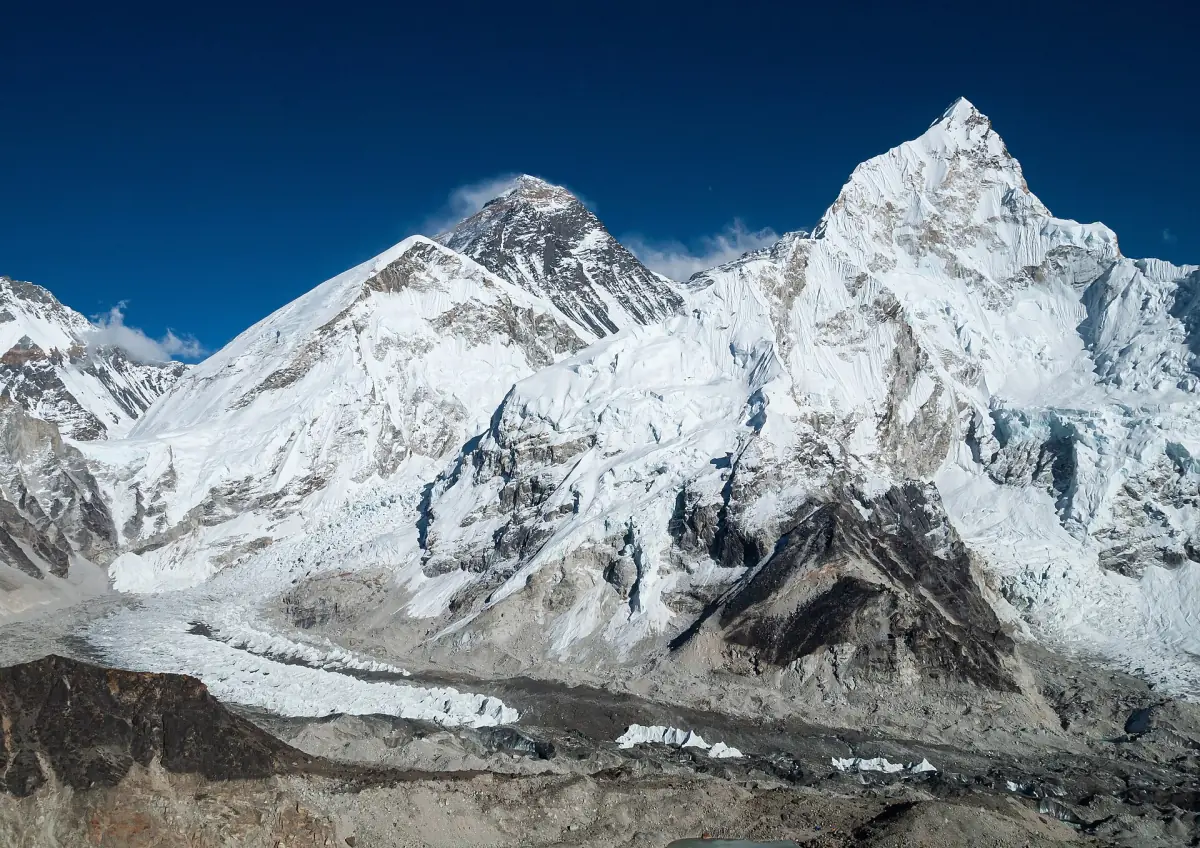
Everest Base Camp in a nutshell
Everest Base Camp (EBC) on the south side lies in Nepal, in the Khumbu region. The usual trek starts at Lukla, whose airstrip you reach by a short flight from Kathmandu or, in the main seasons, often from Manthali in Ramechhap. From there you walk through Sherpa villages, up the Khumbu valley, to the lodges at Gorak Shep and the base camp area. An operator gives the south base camp as about 5,364 m (17,598 ft). The CDC rounds it to roughly 5,400 m.
This guide covers the trek day by day, costs and permits, altitude and altitude sickness, Lukla, Namche Bazaar, Kala Patthar, the Gokyo lakes, helicopter tours, the best time to go, what to pack and the Tibet side. It is an independent site, not run by the government of Nepal, the Nepal Tourism Board, Sagarmatha National Park, the Khumbu municipality, an airline or a trekking agency. Prices are published rates from 2026 and they change. Nothing here is medical advice.
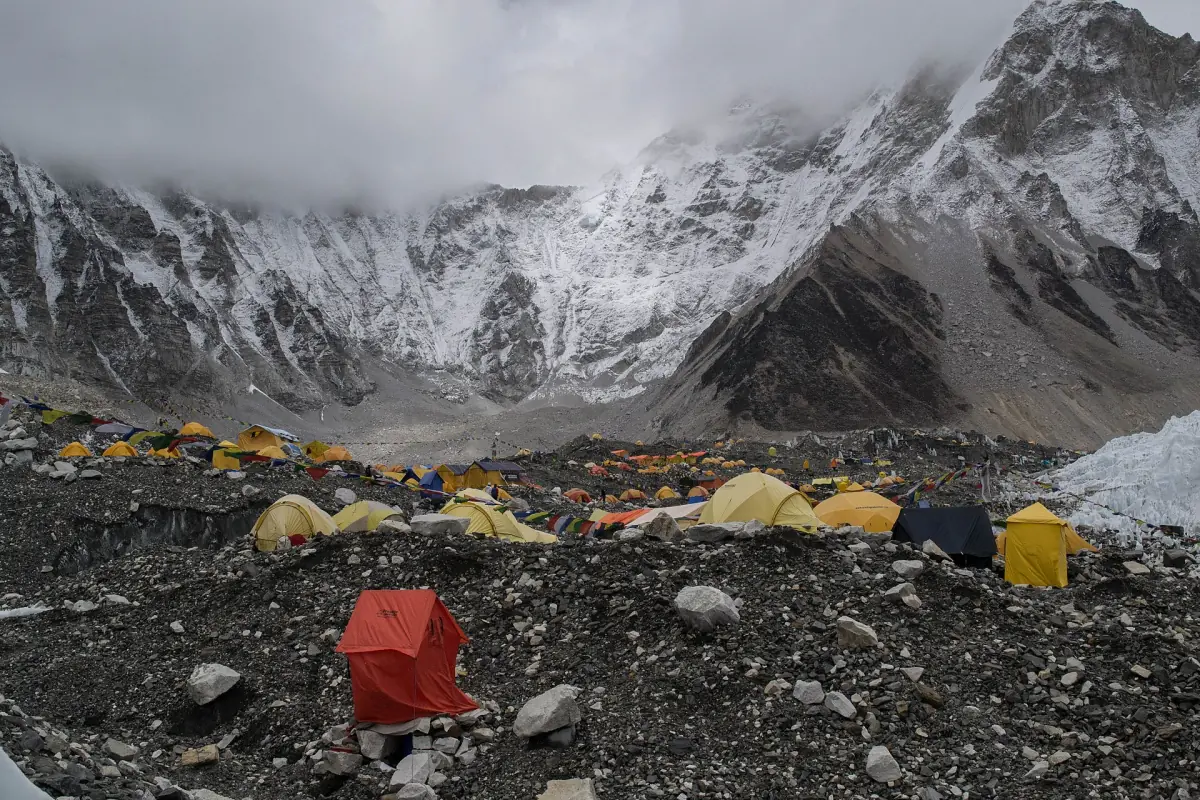
The Nepal side and the Tibet side
Two ways to see the foot of Everest, with different rules and different places.
| Question | Nepal side (south) | Tibet side (north) |
|---|---|---|
| How you get there | Fly to Lukla, then walk for days | Permit through an agency in China and an organised tour |
| Height of the visitor site | About 5,364 m at the base camp | 5,150 m at the tourist site near Rongbuk (the former site is given as 5,200 m) |
| Where you sleep | Lodges in villages up to Gorak Shep | Tent accommodation near Rongbuk is described as a separate thing from the expedition camp |
| Fees | Park entry NPR 3,000 and Khumbu local fee NPR 3,000 | Reserve entry CNY 160 and eco-bus CNY 120 per person (one operator, 2026) |
| Rules to check | Guide and TIMS rule, enforcement varies | Permits can be suspended at short notice |
The trek page explains the walk. For the other side, read Everest Base Camp in Tibet.
Our picks: treks and flights
A guided 12-day trek, a 14-day trek with meals and a helicopter sightseeing flight.
Hand-picked tours, booked through GetYourGuide. Prices are indicative starting prices in US dollars (as of October 2026). Tap a tour for live availability and the current price in your currency.
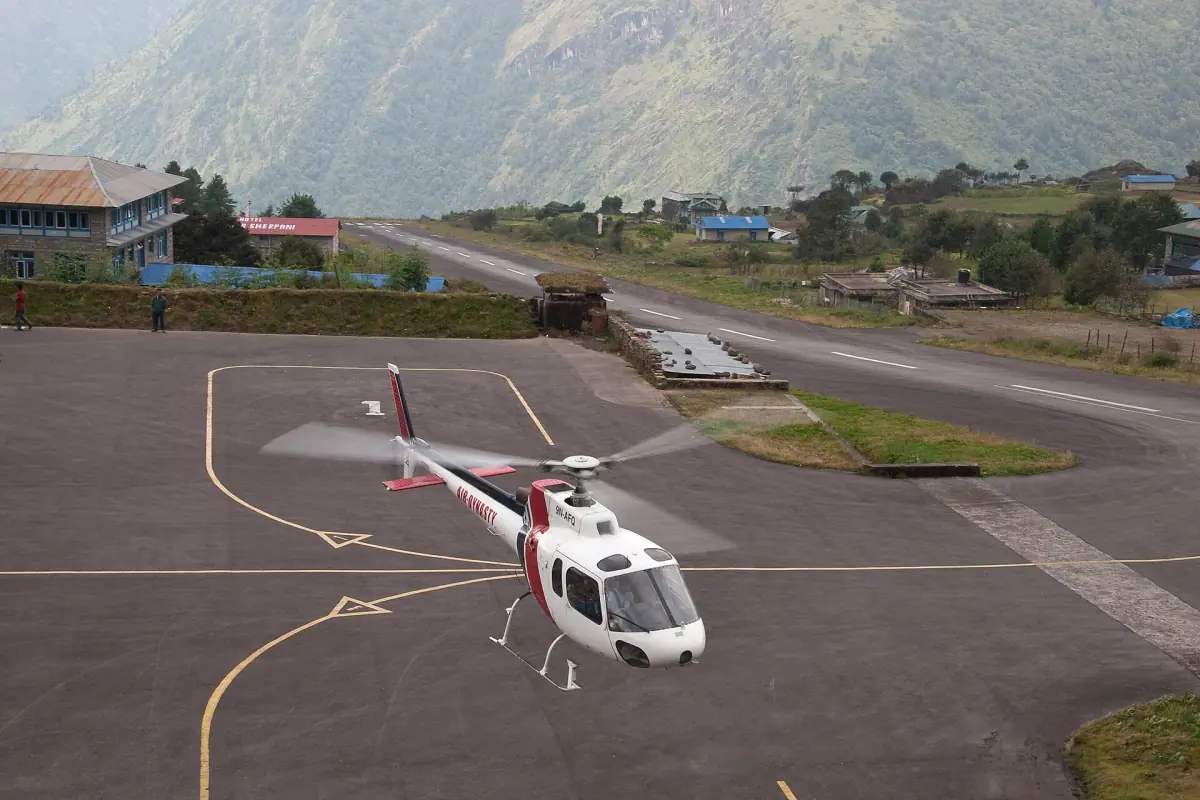
3-hour Everest helicopter sightseeing flight
A chartered helicopter flight with sightseeing along the route and passenger insurance. Park entry and breakfast at the Everest View Hotel are not included, and no landing is listed.
Check availability →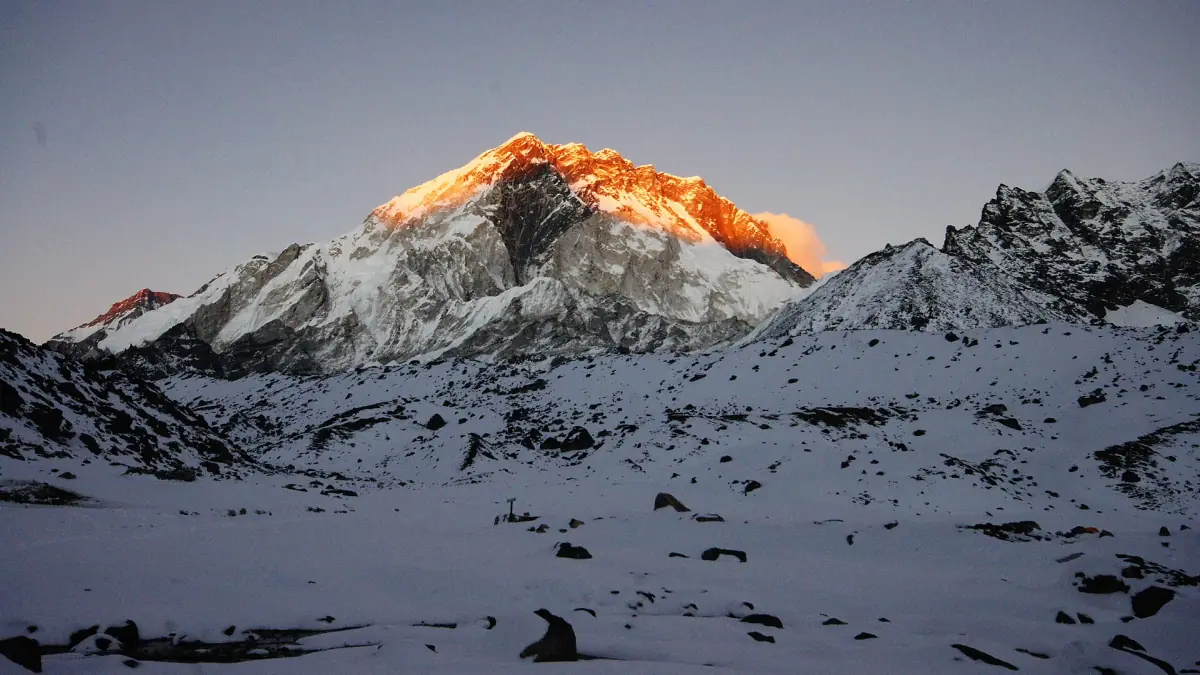
12-day guided Everest Base Camp trek
The return flight Kathmandu–Lukla, lodges, a guide, the required permits and TIMS are included. Meals and porters are not.
Check availability →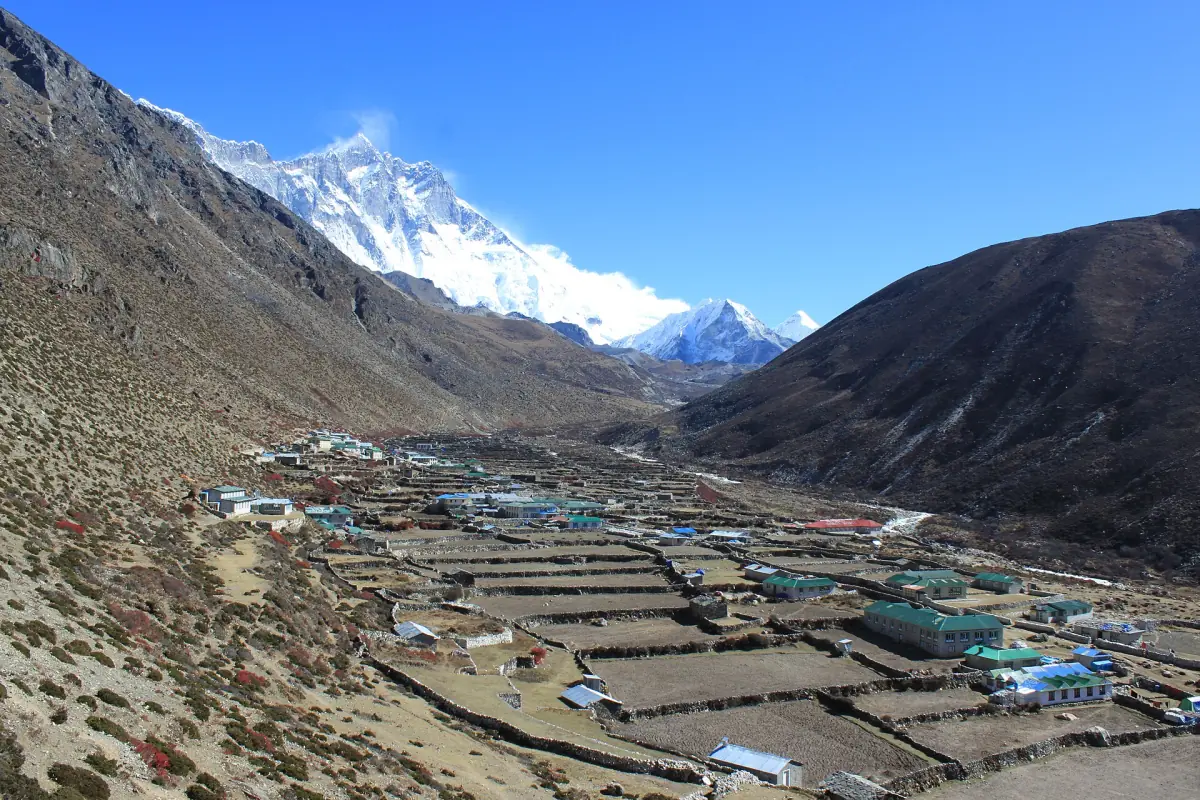
14-day Everest Base Camp trek with meals
Three meals a day on the trek, tea-house lodging, a licensed English-speaking guide, permits and the return flight to Lukla. International flights, insurance and drinks are not included.
Check availability →Everest region tours and flights
Guided treks, mountain flights and day trips in the Khumbu, with live prices and availability.
Everything on this guide
Start with the page that matches your question.
The Everest Base Camp trek
Length, difficulty and what the walk asks of you.
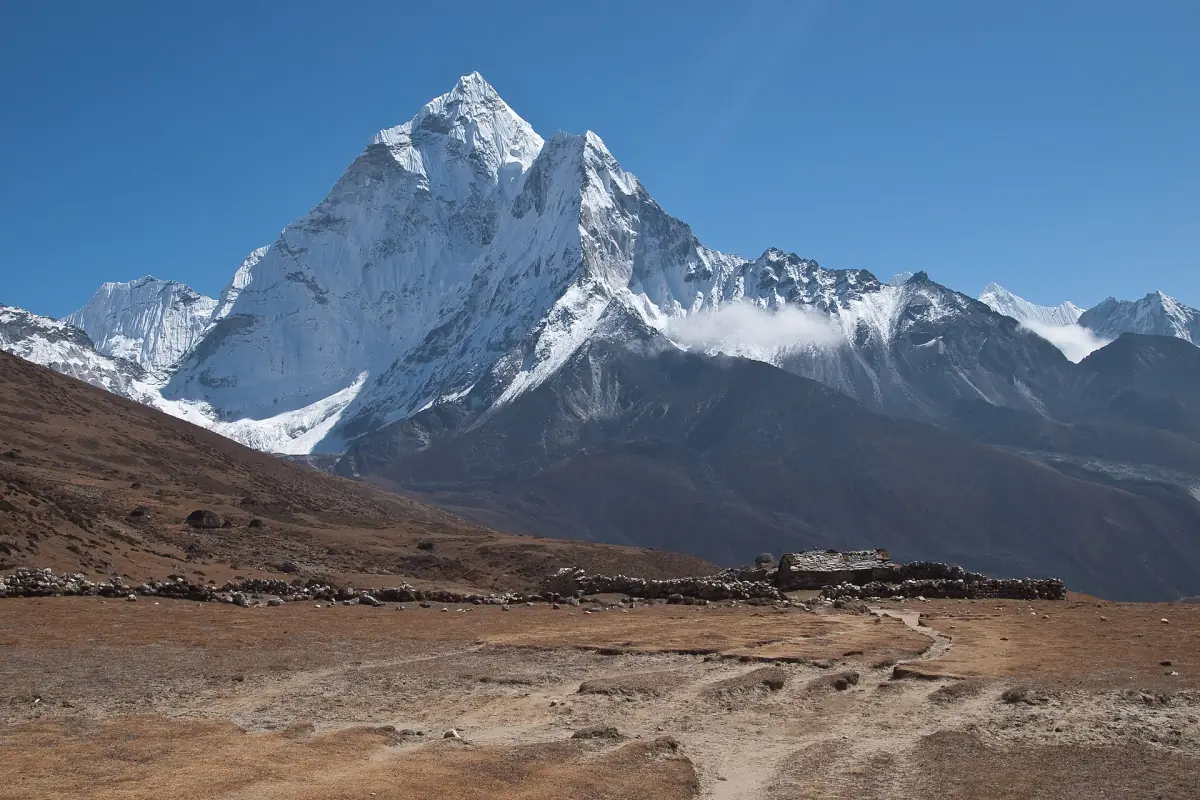
Guided tours compared
What a package includes, and what to check before you pay.
Day-by-day itinerary
Twelve days from Lukla to Gorak Shep and back, with walking times.
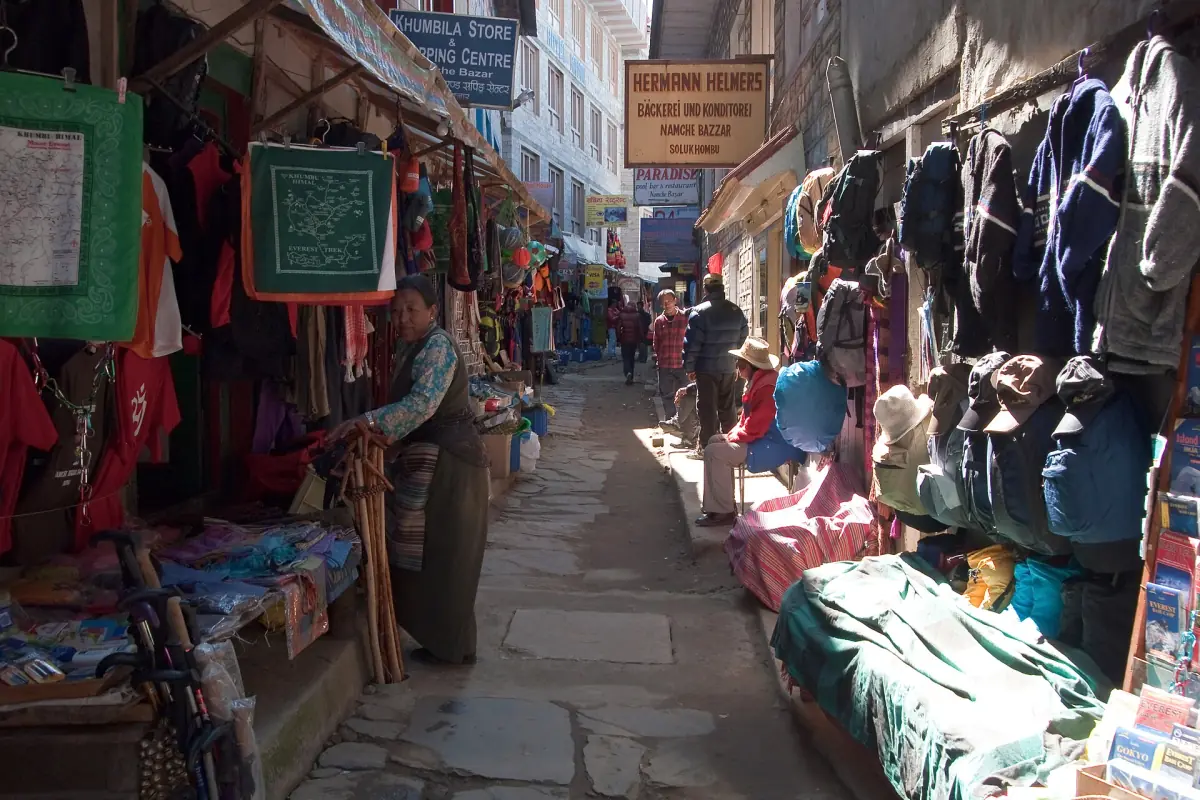
What the trek costs
Permits, guides, porters, lodges and flights, with 2026 figures.
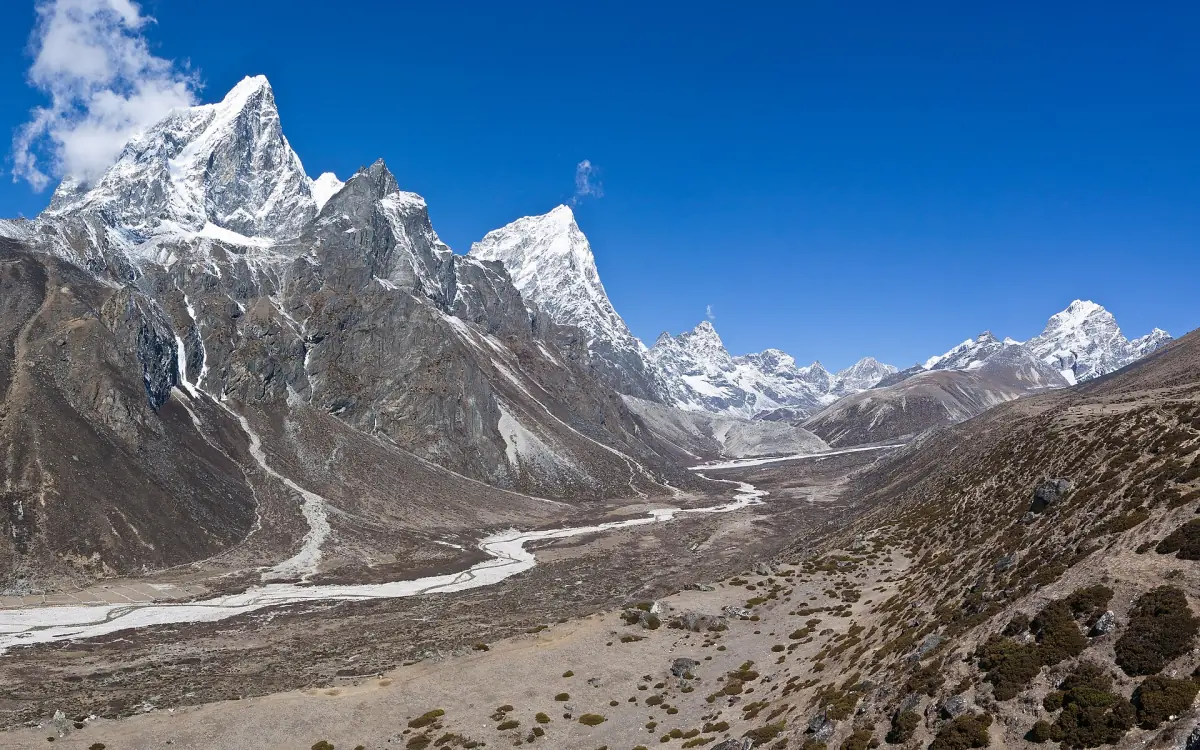
Altitude and altitude sickness
Heights along the route, warning signs and when to descend.
Helicopter tours
Prices, duration and why a landing is not guaranteed.
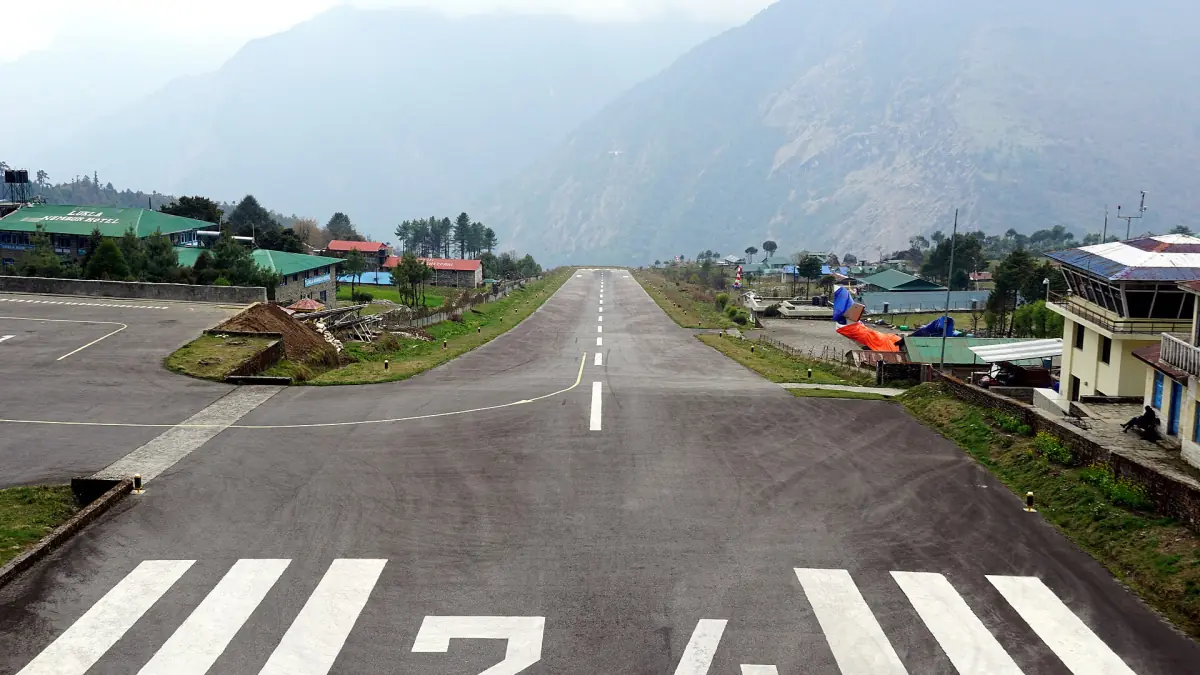
Lukla and its airport
Flights from Kathmandu or Ramechhap, baggage and delays.
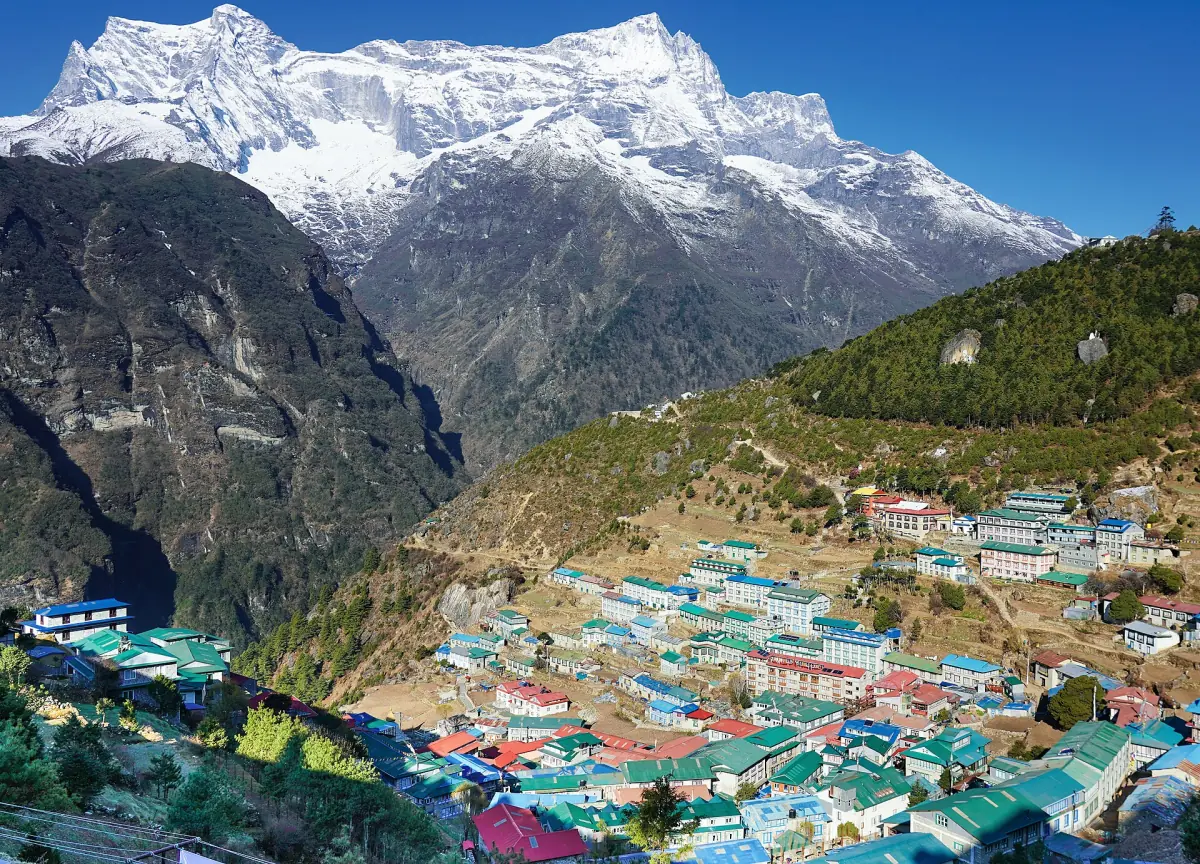
Namche Bazaar
The market town where most treks spend a rest day.
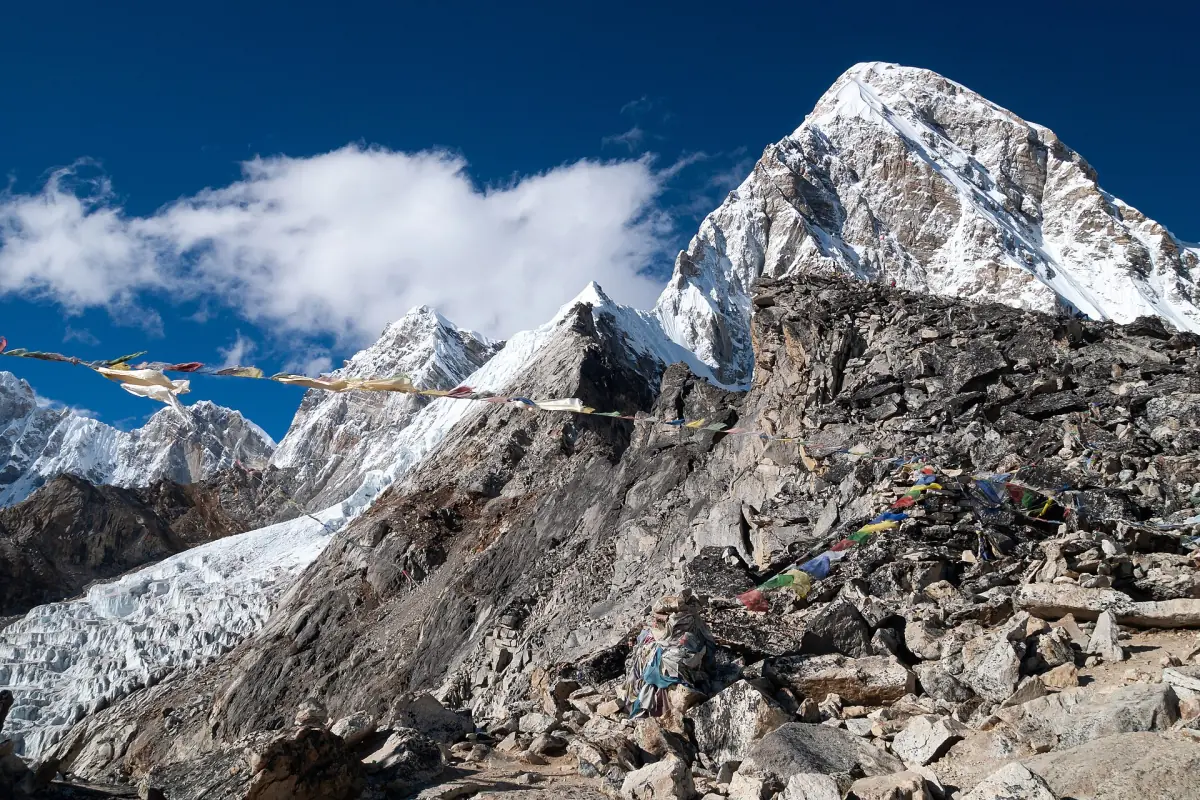
Kala Patthar
The classic Everest viewpoint above Gorak Shep.
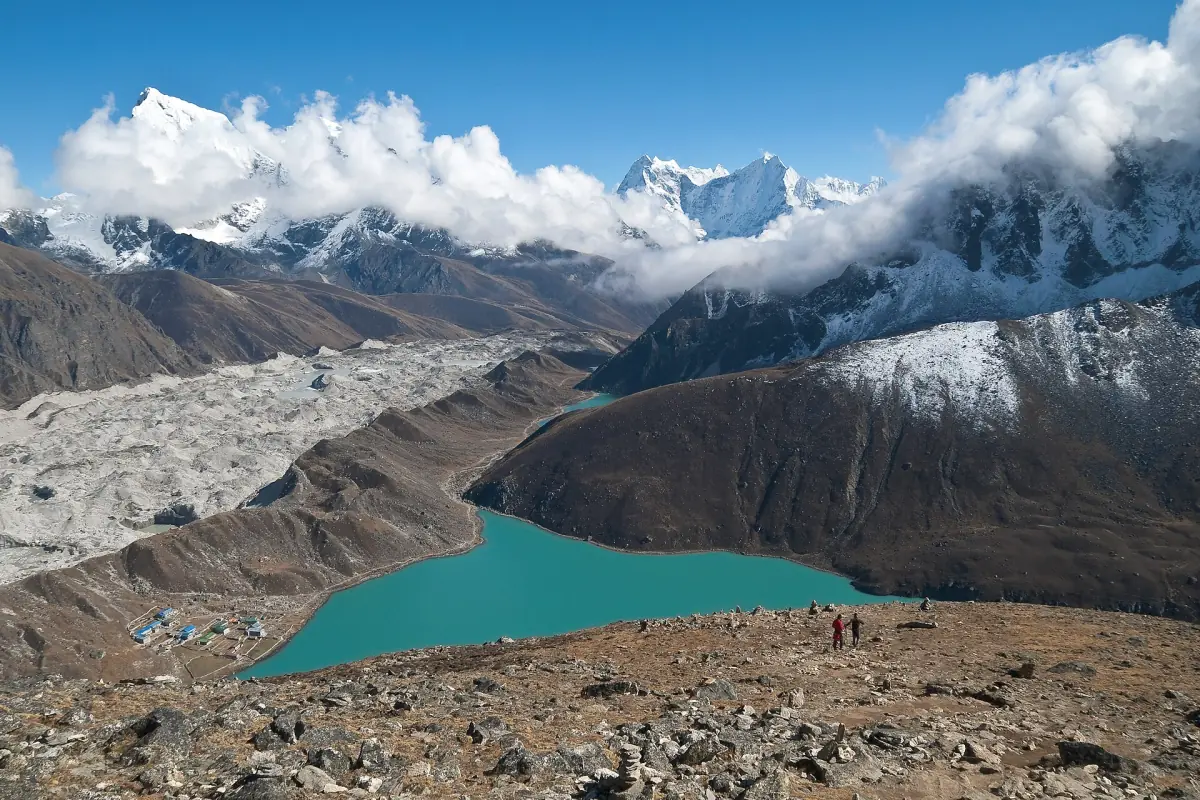
Gokyo lakes
Gokyo Ri and the Three Passes as other routes.
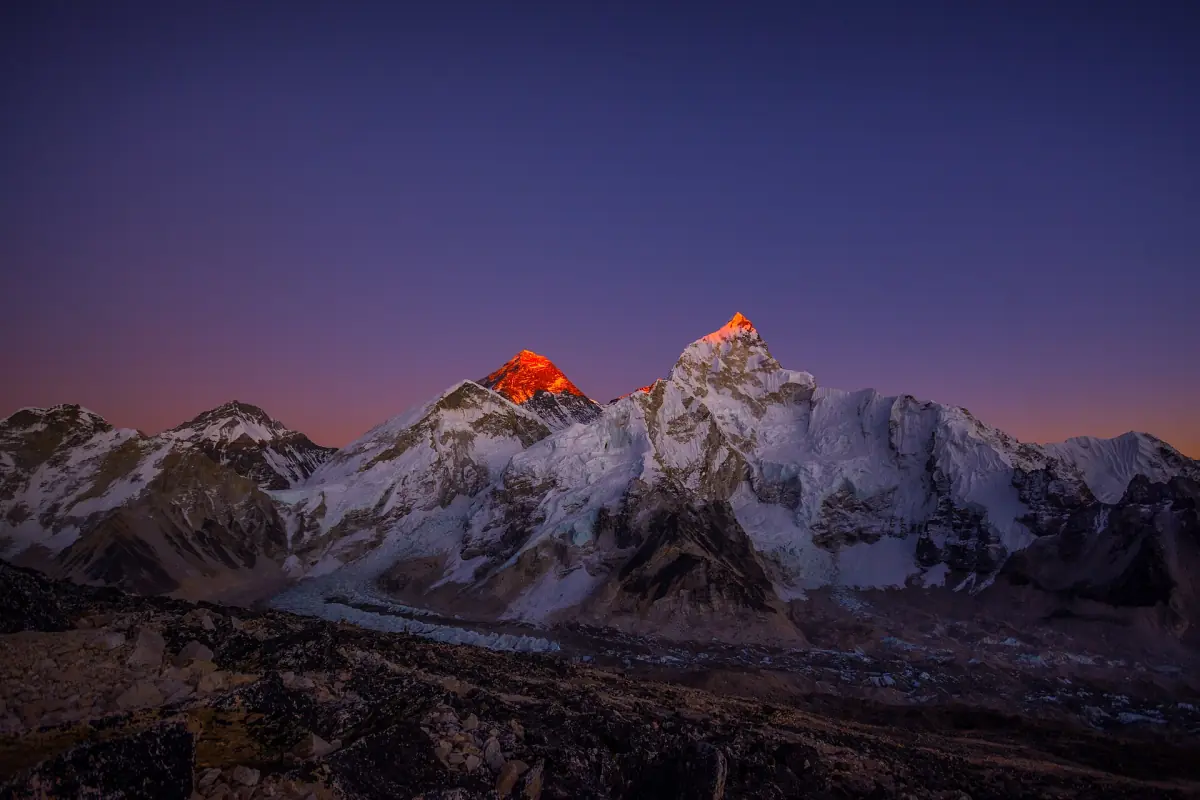
Weather and best time
Seasons, and monthly figures from the Lukla weather station.
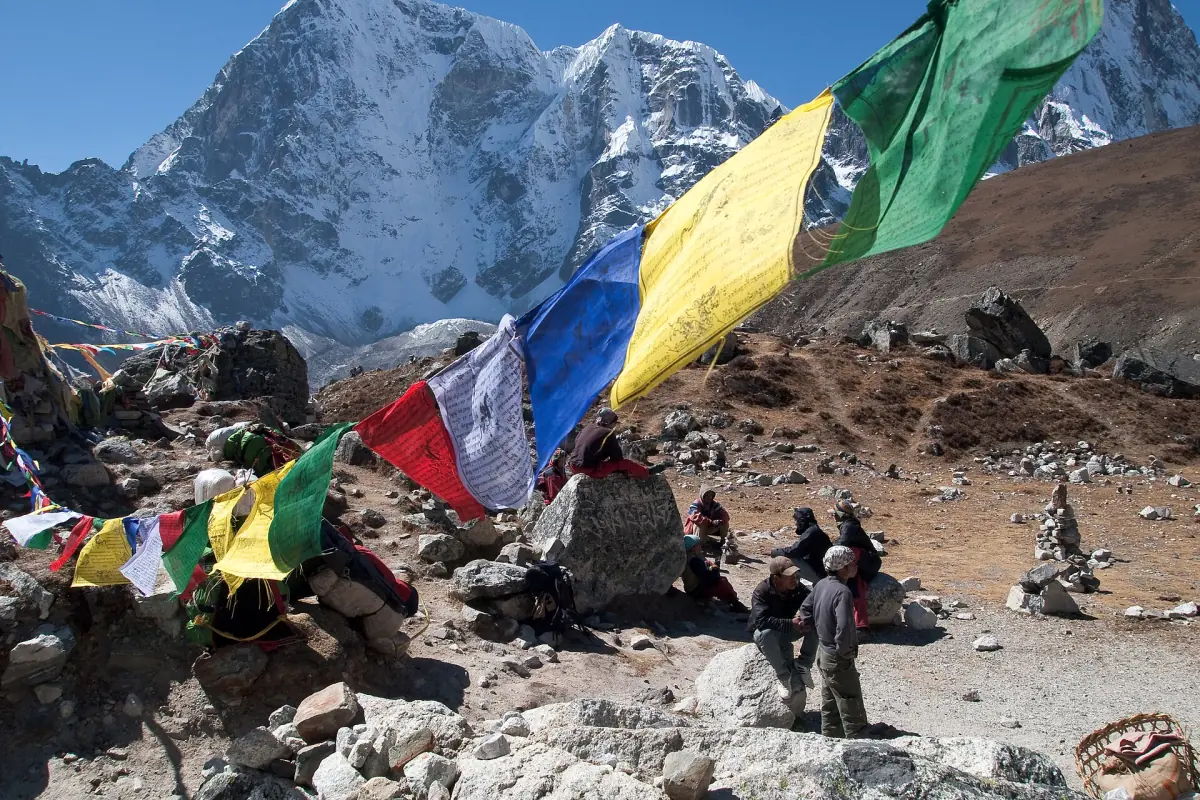
Packing list
Layers, sun protection, water and what to leave at home.
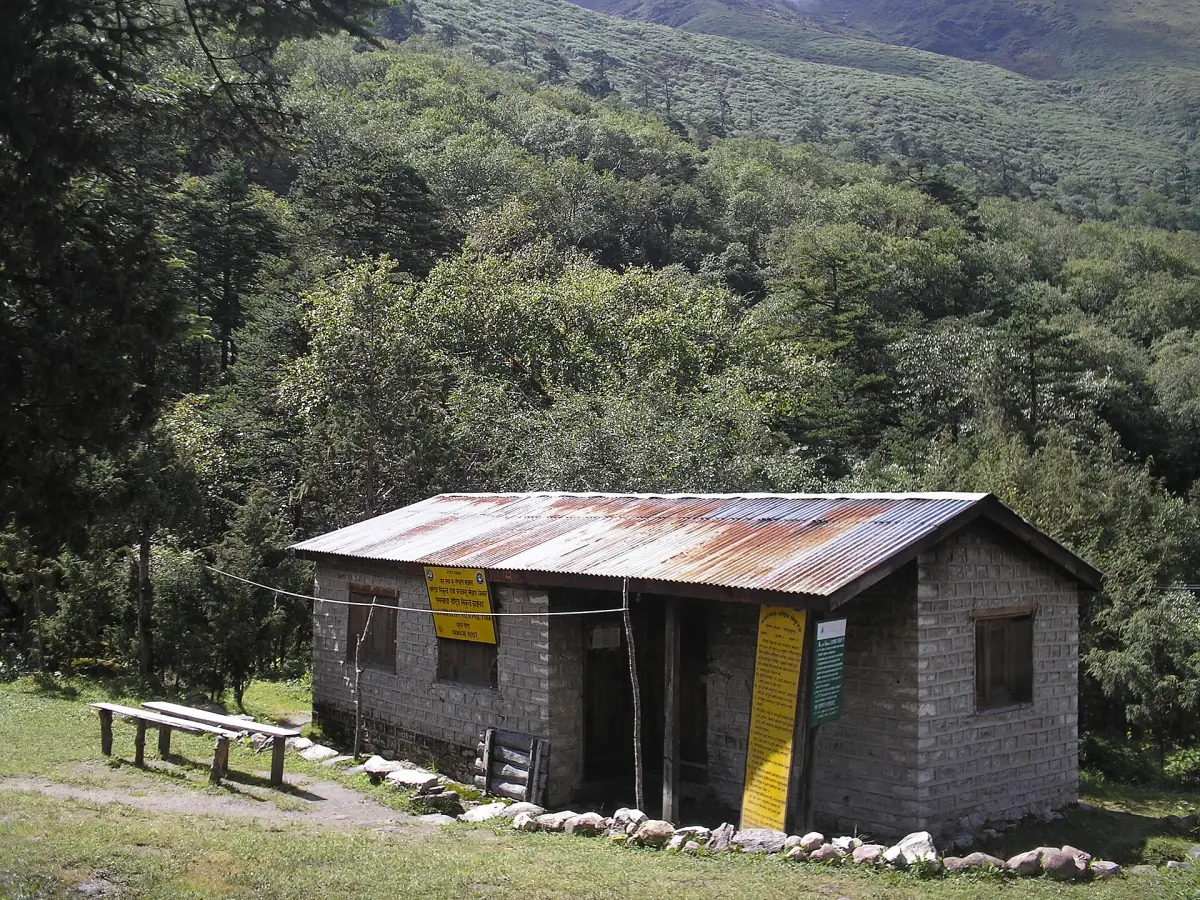
Permits and park fees
Sagarmatha National Park, the Khumbu fee, TIMS and guides.
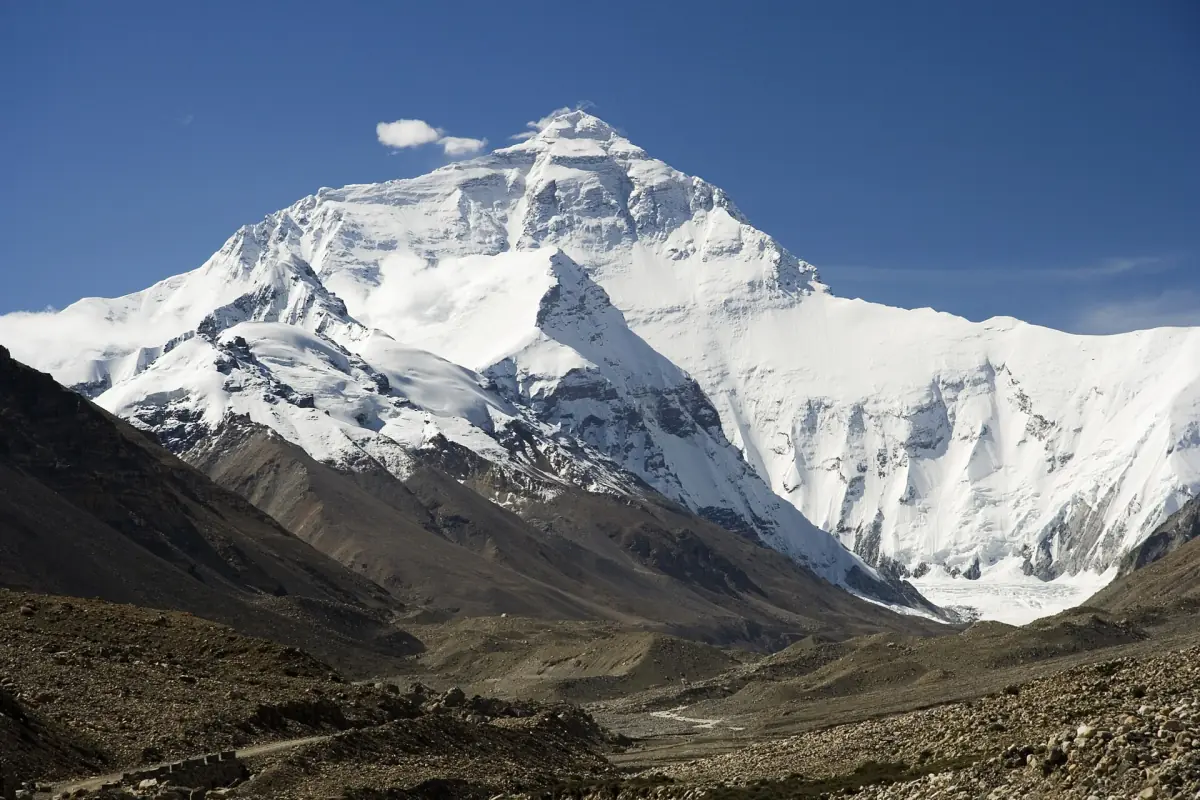
Everest Base Camp in Tibet
Permit and tour requirements for the north side.
Good to know before you plan
Points where older guides and forum posts are often wrong or out of date.
The Khumbu fee is NPR 3,000
The municipality's Trek Card page lists NPR 3,000 for foreign nationals other than SAARC and Chinese citizens, who pay NPR 2,000. The old figure of NPR 2,000 for everyone no longer holds. The page dates from 2023, so confirm the amount when you buy the card.
Permits and fees →Guide and TIMS: rule and practice differ
The Nepal Tourism Board lists Everest Base Camp, Gokyo and the Three Passes under its guide and TIMS requirement. Reports on how this is enforced in Khumbu disagree. Do not plan on either "nobody checks" or "everyone is turned back". Ask your agency what applies when you travel.
Guide and TIMS →No overnight stay at the south base camp
On 29 April 2026 the Department of Tourism warned against packages that sell overnight stays at Everest Base Camp. Ordinary trekkers are not part of the expedition staff who may stay there. You sleep in the villages, and Gorak Shep is the usual overnight stop near the camp.
Itinerary →A helicopter landing is not guaranteed
A ban on helicopter flights in the national park was reported rolled back in January 2025, and tour operators describe their landing points differently. Do not book on the promise of a landing at the base camp or on Kala Patthar. A fast flight up is also a real altitude risk.
Helicopter tours →Flights to Lukla often leave from Ramechhap
In the main seasons, March to April and October to December, many Lukla flights start from Manthali airport in Ramechhap, with a road transfer of about 130 km from Kathmandu. Delays and cancellations in bad weather are common. Keep one or two spare days at the end.
Lukla flights →Conditions in autumn 2026
On 26 September 2026 the Kathmandu Post reported snow in the higher Khumbu, including Gokyo, Gorak Shep and Dingboche, and disrupted scheduled flights to Lukla. Trekking was not suspended altogether. Road diversions on the BP Highway were also damaged. Check the current conditions before you go.
Weather and seasons →Everest Base Camp: frequently asked questions
How high is Everest Base Camp?
The south base camp in Nepal is given as about 5,364 m (17,598 ft) by one operator, and the CDC uses roughly 5,400 m. Kala Patthar, the viewpoint above Gorak Shep, is listed at 5,545 m by the Nepal Tourism Board and at 5,644 m by some operators. See altitude and Kala Patthar.
How long does the trek take?
Operators plan 12–14 days from and to Lukla, including rest days to acclimatise, plus spare days for flight delays. One package is sold as 15 days in total, with 12 days and 11 nights of trekking. The day-by-day plan is on the itinerary page.
Can altitude sickness happen even if I am fit?
Yes. Fitness does not protect against altitude sickness, and children can be affected too. The CDC, citing Wilderness Medical Society guidance, advises that above 3,000 m you raise your sleeping altitude by no more than about 500 m per night and add an extra night for every further 1,000 m. The German Foreign Office is stricter and names about 300 m a day from 2,000 to 2,500 m. Headache, loss of appetite, nausea, dizziness and unusual tiredness are warning signs: do not go higher while they last. Confusion, unsteady walking, breathlessness at rest or getting worse mean descending at once with company and getting medical help. Talk to a doctor before the trip.
Do I need a guide?
The Nepal Tourism Board lists the Everest Base Camp trek under a requirement for a licensed guide and a TIMS card. How strictly this is enforced in Khumbu is unclear from published sources. The German Foreign Office also recommends reputable agencies and licensed local guides. See permits and tours.
Can I fly to Everest Base Camp by helicopter?
Helicopter tours to the Everest region exist, with example offers of $1,000–1,300 per person for a shared flight in 2026. Landing points differ between operators and a landing at the base camp or on Kala Patthar cannot be promised. Read the helicopter page before you book.
When is the best time to go?
Operators recommend March to May and October to November for the standard route. Neither season is guaranteed to be dry or clear. See weather and best time.