The Everest Base Camp itinerary day by day
One sample route from a trekking operator, 2026. Walking times are the operator's planning values, not an official table.
| Day | Stage | Walking time | Sleeps at |
|---|---|---|---|
| 1 | Flight to Lukla, on to Phakding | 3–4 hours | Phakding |
| 2 | Phakding to Namche Bazaar | about 6 hours | Namche, about 3,440 m (11,286 ft) |
| 3 | Acclimatisation day in Namche, with a day trip | – | Namche |
| 4 | Namche to Tengboche | about 5 hours | Tengboche, about 3,860 m |
| 5 | Tengboche to Dingboche | 5–6 hours | Dingboche, about 4,410 m |
| 6 | Acclimatisation day in Dingboche | – | Dingboche |
| 7 | Dingboche to Lobuche | about 5 hours | Lobuche, 4,910 m or 4,940 m |
| 8 | Lobuche to Gorak Shep, the base camp and back to Gorak Shep | 7–8 hours | Gorak Shep, about 5,140 m |
| 9 | Kala Patthar, then down to Pheriche | about 7 hours | Pheriche |
| 10 | Pheriche to Namche | 6–7 hours | Namche |
| 11 | Namche to Lukla | about 7 hours | Lukla, about 2,860 m |
| 12 | Flight back; further days kept as a weather and travel buffer | – | – |
Heights come from operators and differ a little between sources. Sleeping heights matter more than the highest point of the day. The table is a stage overview, not a map: it does not replace current information on bridges, snow and damaged paths. Ask your guide or lodge before each stage.
Our picks along the route
Guided packages of 10 to 12 days; check the day plan on each tour page.
Hand-picked tours, booked through GetYourGuide. Prices are indicative starting prices in US dollars (as of October 2026). Tap a tour for live availability and the current price in your currency.
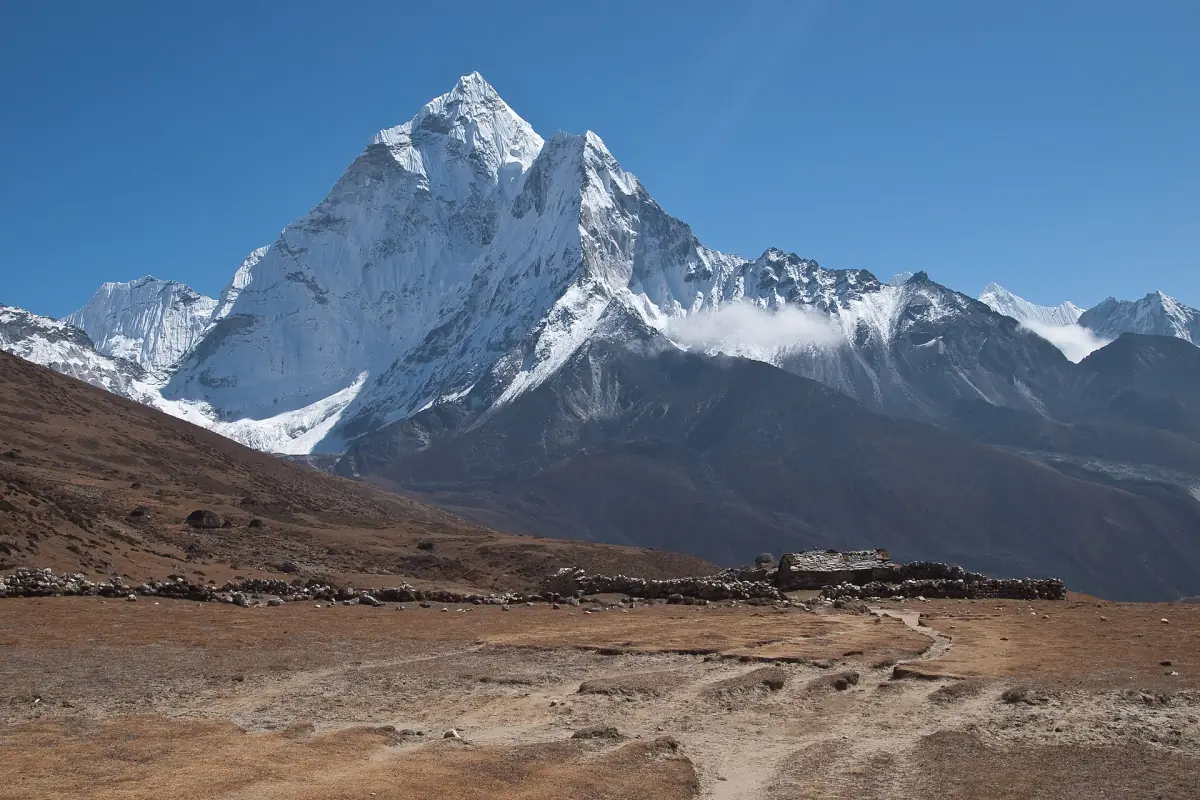
12-day Everest Base Camp trek with guesthouses
A private airport or hotel transfer, twin-room guesthouses, the return flight to Lukla and a licensed guide from Lukla and back. Meals, porters and insurance are extra.
Check availability →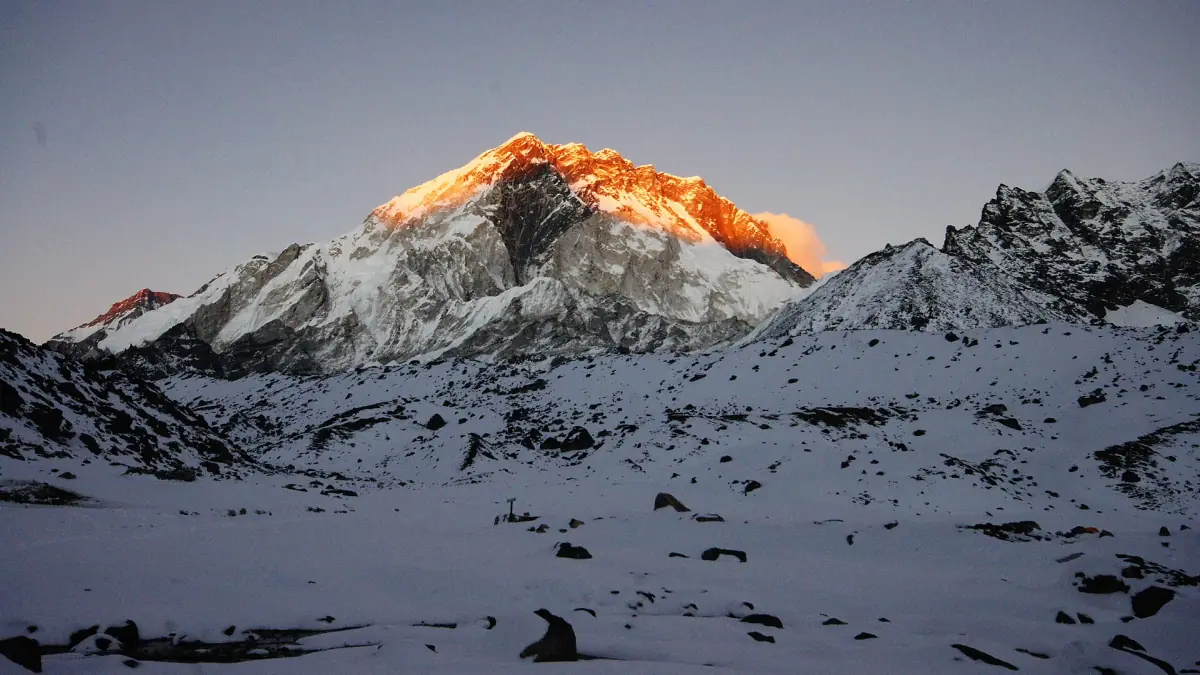
12-day guided Everest Base Camp trek
The return flight Kathmandu–Lukla, lodges, a guide, the required permits and TIMS are included. Meals and porters are not.
Check availability →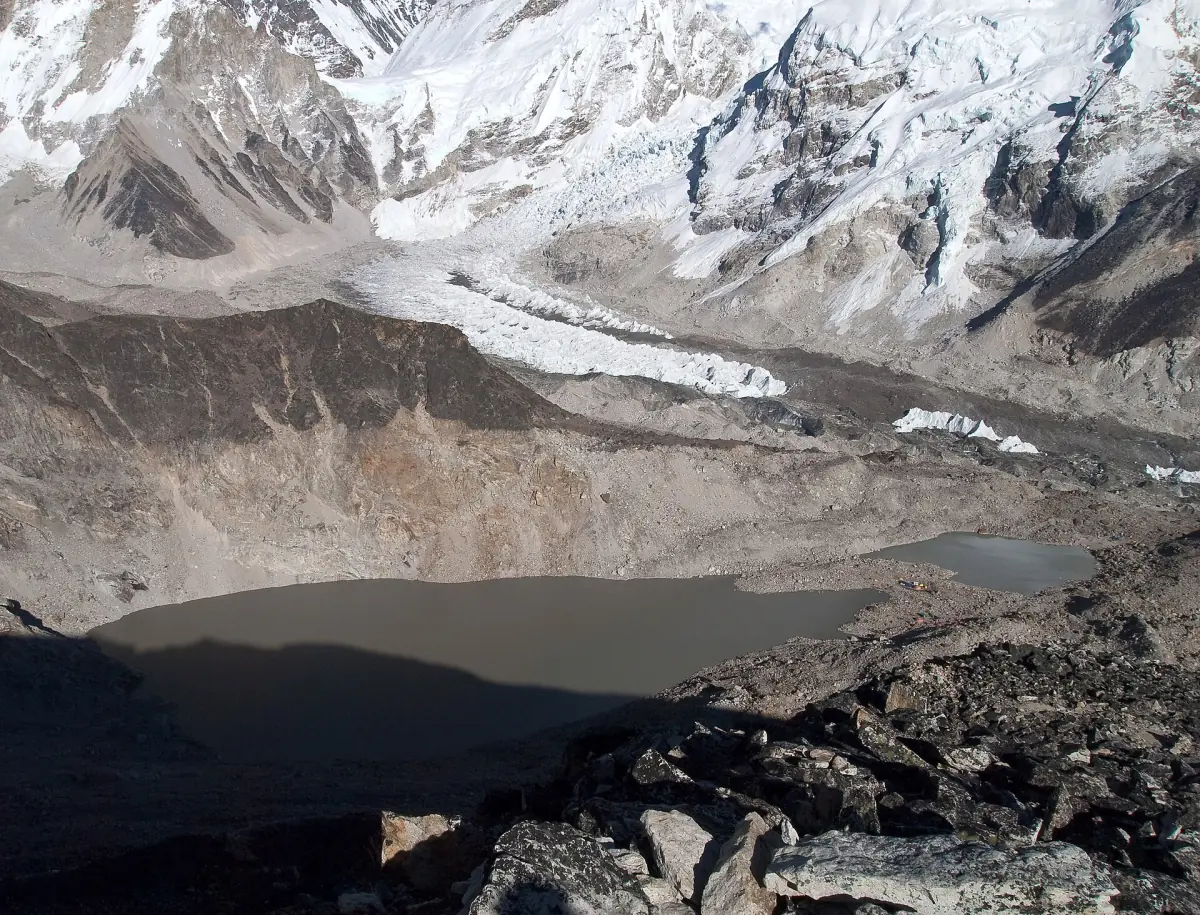
10-day Everest Base Camp trek from Lukla
A Sherpa guide, permits and ten nights in mountain guesthouses. Flights are included only in the Kathmandu option, and meals and porters cost extra.
Check availability →Guided Everest Base Camp treks
Itineraries with guides, porters and flights from Kathmandu, with live prices and availability.
Lukla to Namche Bazaar, days 1 to 3
You land at the airstrip in Lukla, about 2,860 m (9,383 ft), and walk the first stage to Phakding. The next day is the climb to Namche Bazaar, the market town where most treks spend two nights. The rest day is not a day off: you walk up to a higher viewpoint and come back to sleep low. The Nepal Tourism Board names Syangboche, Khumjung and Khunde as trips from Namche, and it notes a Saturday morning market.
Allow for the flight. In the main seasons many Lukla flights leave from Manthali in Ramechhap after a road transfer of roughly 130 km, which takes about 5 hours. Details are on the Lukla page, and the town has its own guide at Namche Bazaar.
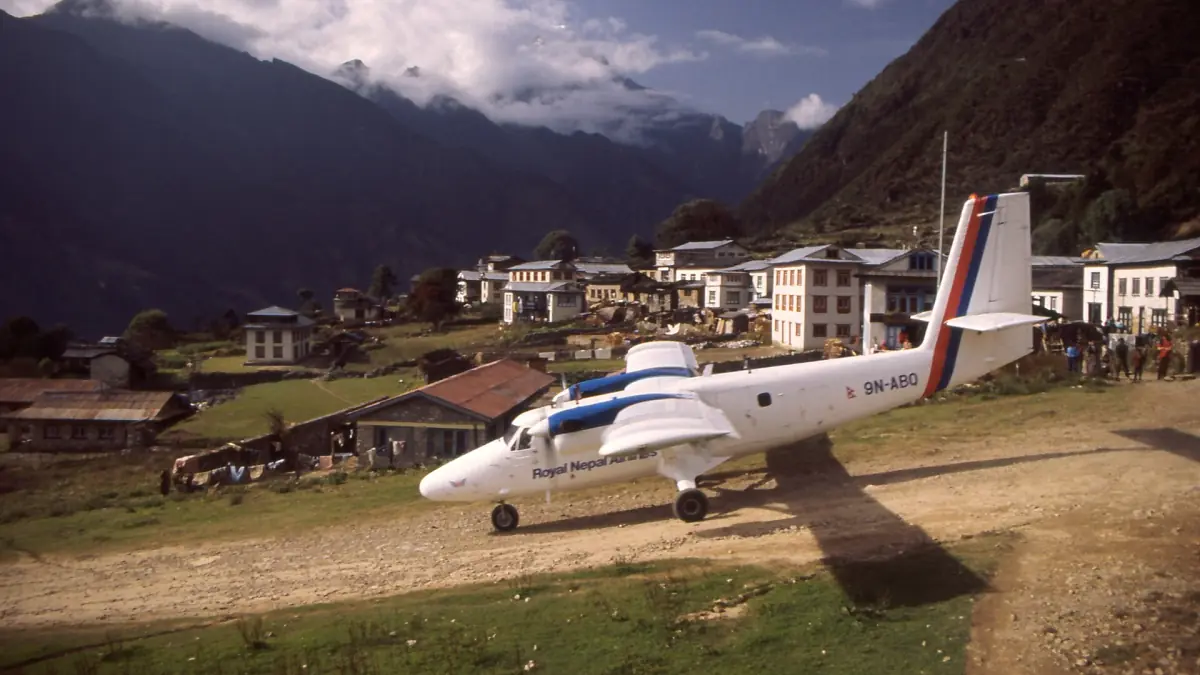
Tengboche, day 4
Tengboche, at about 3,860 m (12,664 ft), is the site of a monastery on the commonly walked route. The Nepal Tourism Board mentions visits in the afternoon. Ask your guide or lodge about visiting times and any entry fee. The stage from Namche takes about 5 hours.
One operator routes the trek via Phortse instead, and in winter, December to February, via Tengboche. On that operator's plan Phakding to Namche takes about 7 hours and Dingboche to Lobuche 5.5 hours. Do not add these figures to the table above. They belong to a different schedule.
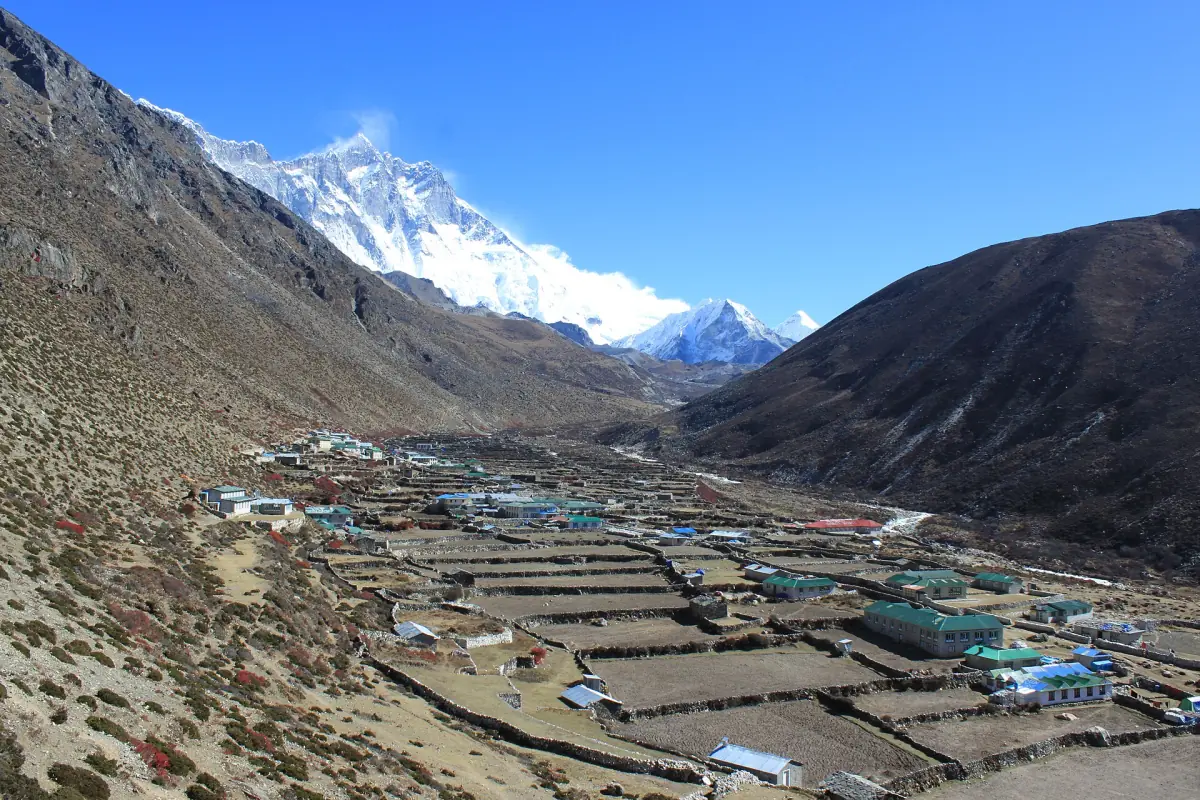
Dingboche, days 5 and 6
Dingboche lies at about 4,410 m (14,468 ft). The stage from Tengboche takes 5 to 6 hours. On the figures in this guide the sleeping height rises by roughly 550 m that night, more than the 500 m a night that the CDC gives as the guideline above 3,000 m. That is one reason to treat the plan as flexible. The German Foreign Office is stricter and names about 300 m a day from 2,000 to 2,500 m.
The second day is a rest and acclimatisation day, with a walk higher and a return to the same bed. If you have a headache, no appetite, nausea or dizziness, do not climb higher until it has gone. The altitude page lists the warning signs and when to go down.
Lobuche, day 7
Lobuche is a settlement of lodges, given as 4,910 m (16,109 ft) by one operator and 4,940 m by another. The walk from Dingboche takes about 5 hours, and the sleeping height rises by roughly 500 m. Nights at this height are cold. A headache that gets worse, or nausea, is a reason to stop and not go higher.
The Himalayan Rescue Association runs an aid post in Pheriche, and the Nepal Tourism Board lists altitude talks there at 3 p.m. in spring and autumn. Pheriche is on the way down on day 9, so you may meet it only after your highest point.
Gorak Shep and the base camp, day 8
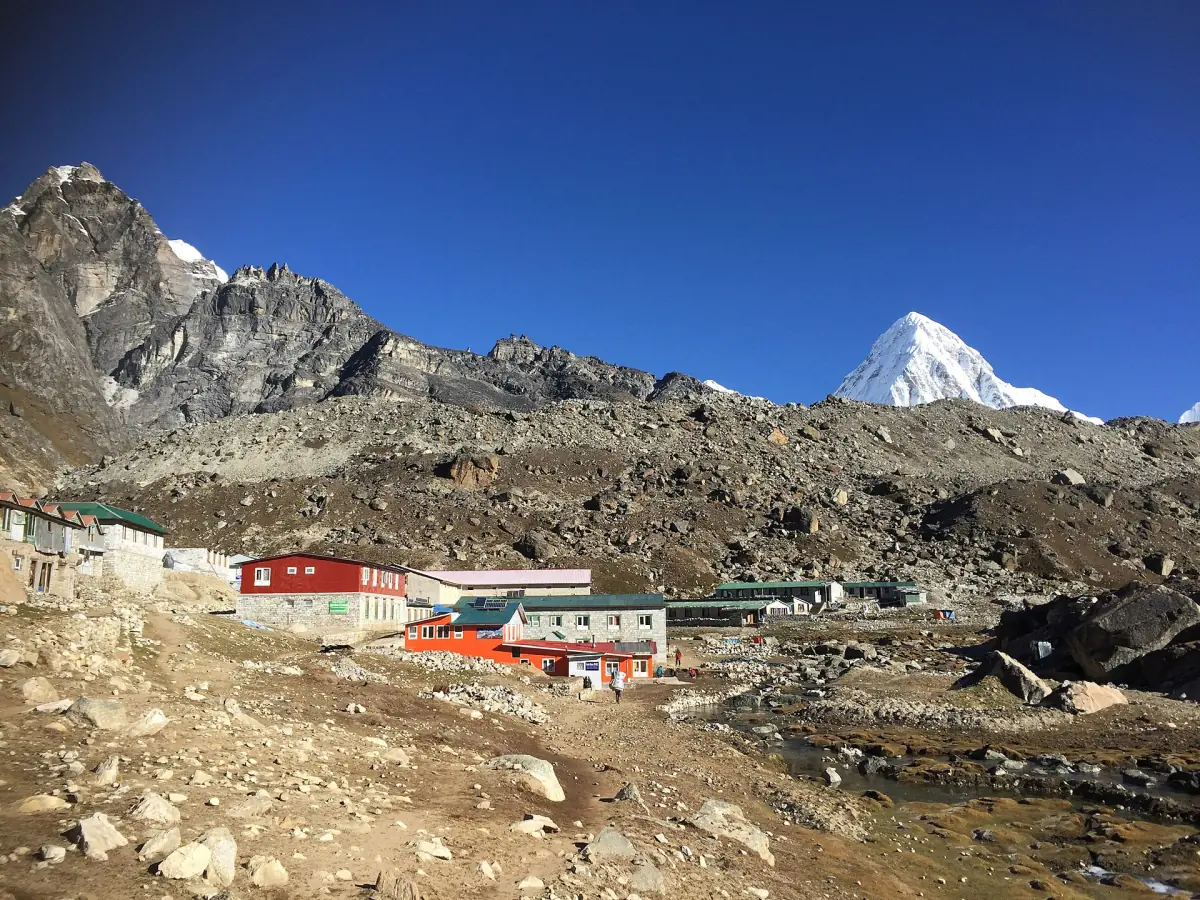
Gorak Shep, about 5,140 m (16,864 ft), is the overnight stop closest to the base camp. The base camp itself, about 5,364 m (17,598 ft), is the destination of the day, not a place to sleep. On 29 April 2026 the Department of Tourism warned against packages selling overnight stays there, and ordinary trekkers are not among the expedition staff allowed to stay. Plan 7 to 8 hours for the day, from Lobuche to Gorak Shep, on to the camp and back to your lodge.
Day 9 is the early climb of Kala Patthar, then the descent to Pheriche in about 7 hours in total. Whether you go on the morning itself is a decision for you and your guide, based on how you feel.
Trek map and buffer days
What to carry and how much slack to build in.
Trek map
The table gives the order of the villages from Lukla. Carry a current map or walk with a guide who knows the trail. This guide does not include a GPS track.
The trek →Buffer days
One operator recommends at least one or two extra days at the end for delayed flights and describes possible delays of several days. That is not enough for every kind of weather, but it is a sensible minimum.
Lukla delays →Package length
A package sold as 15 days can contain 12 days and 11 nights of trekking. Arrival, transfer and departure days are not walking days. Check what the number refers to.
Tours compared →Health comes before the plan
If symptoms persist, do not go higher. If they get worse, go down and arrange help. The published schedule is secondary to your health.
Altitude →Itinerary: frequently asked questions
How many days do I need for the Everest Base Camp trek?
An operator plans 12–14 days from and to Lukla including acclimatisation days, with extra buffer days on top. The sample above has 12 days. It is a common planning range, not a required minimum and not a guarantee that you will reach the camp.
Where are the acclimatisation days?
In the sample, day 3 in Namche Bazaar and day 6 in Dingboche. On both you walk higher and sleep in the same place. Spare days make the plan safer, not slower for its own sake.
How long is the walk to the base camp on day 8?
The operator gives 7 to 8 hours for Lobuche to Gorak Shep, on to the base camp and back to Gorak Shep. This is a planning value. Snow, wind and your own pace change it.
Can I sleep at Everest Base Camp?
Not as an ordinary trekker. The Department of Tourism warned on 29 April 2026 against packages selling overnight stays at the south base camp. Gorak Shep is the usual overnight stop nearby.
What if I feel unwell on the way up?
Stop where you are, rest and do not go higher while symptoms last. Confusion, unsteady walking, breathlessness at rest or severe exhaustion need an urgent descent with company and medical help. Talk to a doctor before you travel, and check that your insurance covers trekking at this height and helicopter rescue.